

Motorcycle Accidents
Rider visibility, collision evidence, injuries and insurance questions after a motorcycle crash.
Learn More →If a motorcycle or roadway accident has disrupted your life, start with the facts, the available evidence, your injuries, and the insurance questions that need attention.

Super Lawyers · Rising Stars
Aric Williams was selected to the California Rising Stars list for each of these years.
Selections to the California Rising Stars list for 2022–2027. Verify on Super Lawyers. Recognition does not guarantee results.

Attorney recognition
Aric N. Williams
Explore the accident or coverage issue that best matches your situation. Each page explains the records, insurance questions and next steps that may deserve attention.
Rider visibility, collision evidence, injuries and insurance questions after a motorcycle crash.
Learn More →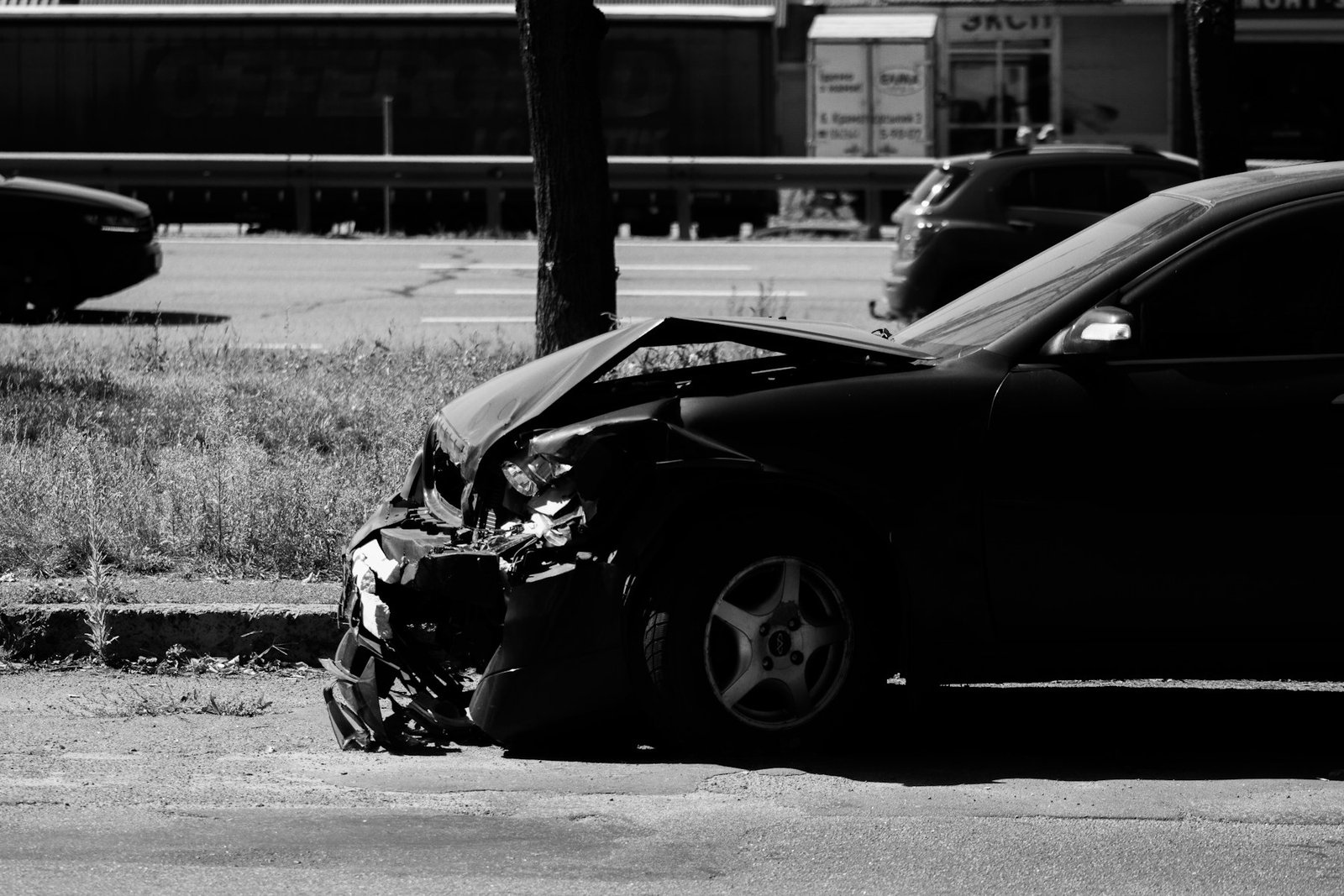
Collision evidence, medical documentation and insurance issues after a passenger-vehicle crash.
Learn More →
Trip records, app status, involved drivers and overlapping insurance questions.
Learn More →
Treatment records, rehabilitation, functional limitations and the longer-term impact of an injury.
Learn More →Motorcycle and personal-injury claims are easier to understand when the discussion starts with what actually happened, what can still be documented, and which insurance policies may apply.
Motorcycle cases can involve distinctive visibility, movement and injury issues.
Scene photographs, reports, witnesses and medical documentation can clarify disputed facts.
Coverage, policy language, communications and claim documents deserve careful review.
Call, schedule a conversation or send a basic case inquiry when you are ready.
Every matter is different, but a useful first review usually begins by understanding the event, identifying the records that exist, reviewing the insurance picture and discussing what should happen next.
Tell us what happened, who was involved and how the collision affected you.
Gather available photographs, reports, witness information and relevant records.
Identify the policies, claim communications and coverage questions involved.
Ask about the issues that may require case-specific review and representation.
No two accidents are identical. A careful review connects the collision circumstances with the available evidence, medical information and insurance documents rather than relying on a generic checklist.
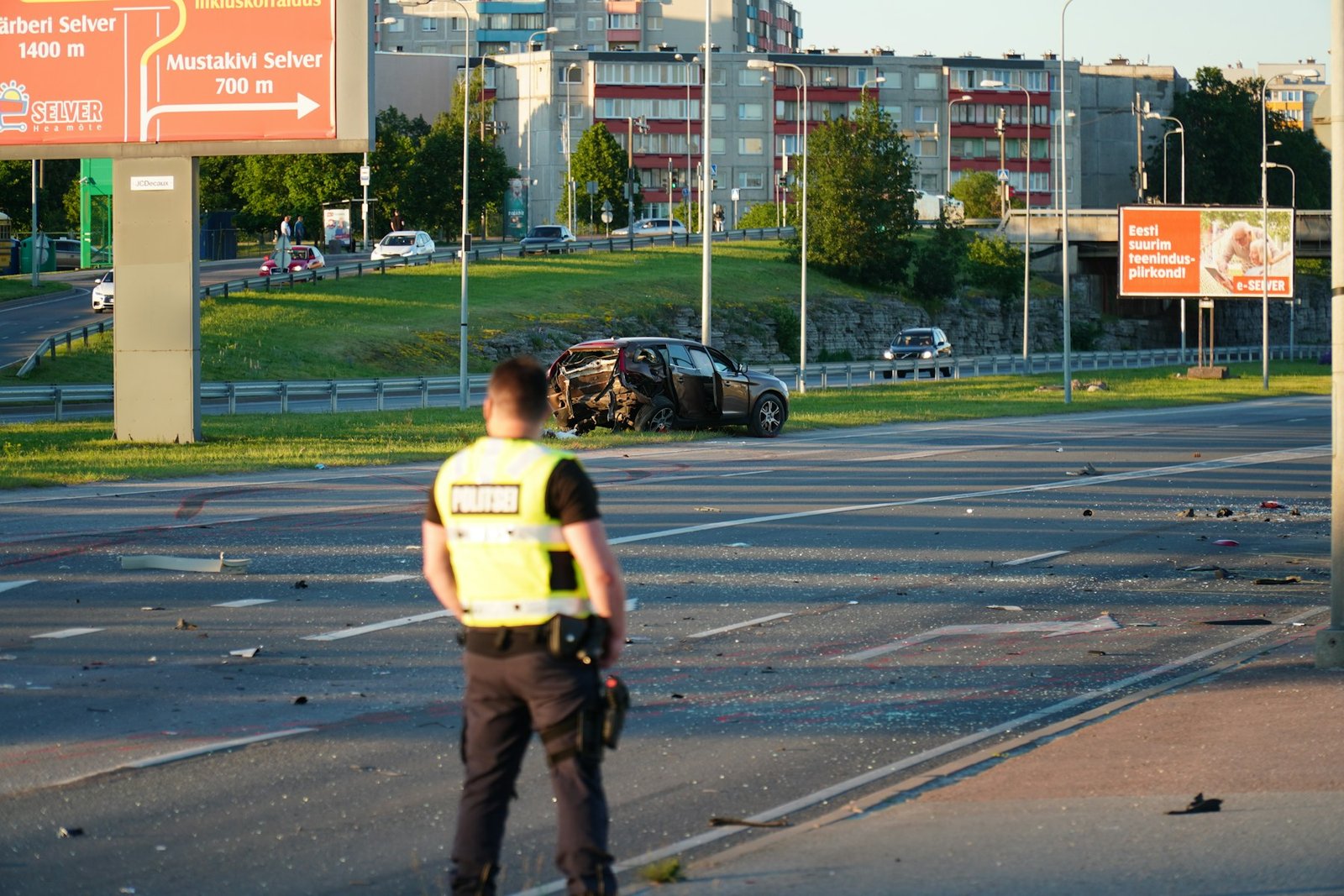
Vehicle movement, roadway conditions, timing, sight lines and incident reports.

Policy terms, communications, recorded-statement requests and settlement documents.

Treatment, rehabilitation, recovery progress and documented functional limitations.
The goal is not to make promises about an outcome. It is to understand the facts, identify the important records and help you ask better questions about what comes next.
“Start with what happened, preserve what can still be documented, and review the actual insurance and medical records before making assumptions.”
Address safety and medical needs first. When it is safe, preserve photographs, report information, witness contacts and available records.
That statement is only one part of the evidence. Sight lines, traffic conditions, lighting, vehicle position and other records may matter.
Your own policy may include uninsured or underinsured motorist coverage, depending on its terms and the circumstances.
Understand who is requesting it, why it is being requested and whether any policy duties apply before agreeing.
Keep original photographs, reports, witness information, damaged equipment, medical records and insurance communications that are available to you.
Share the basic circumstances or call the office. Avoid sending sensitive or confidential documents until an attorney-client relationship has been established.