
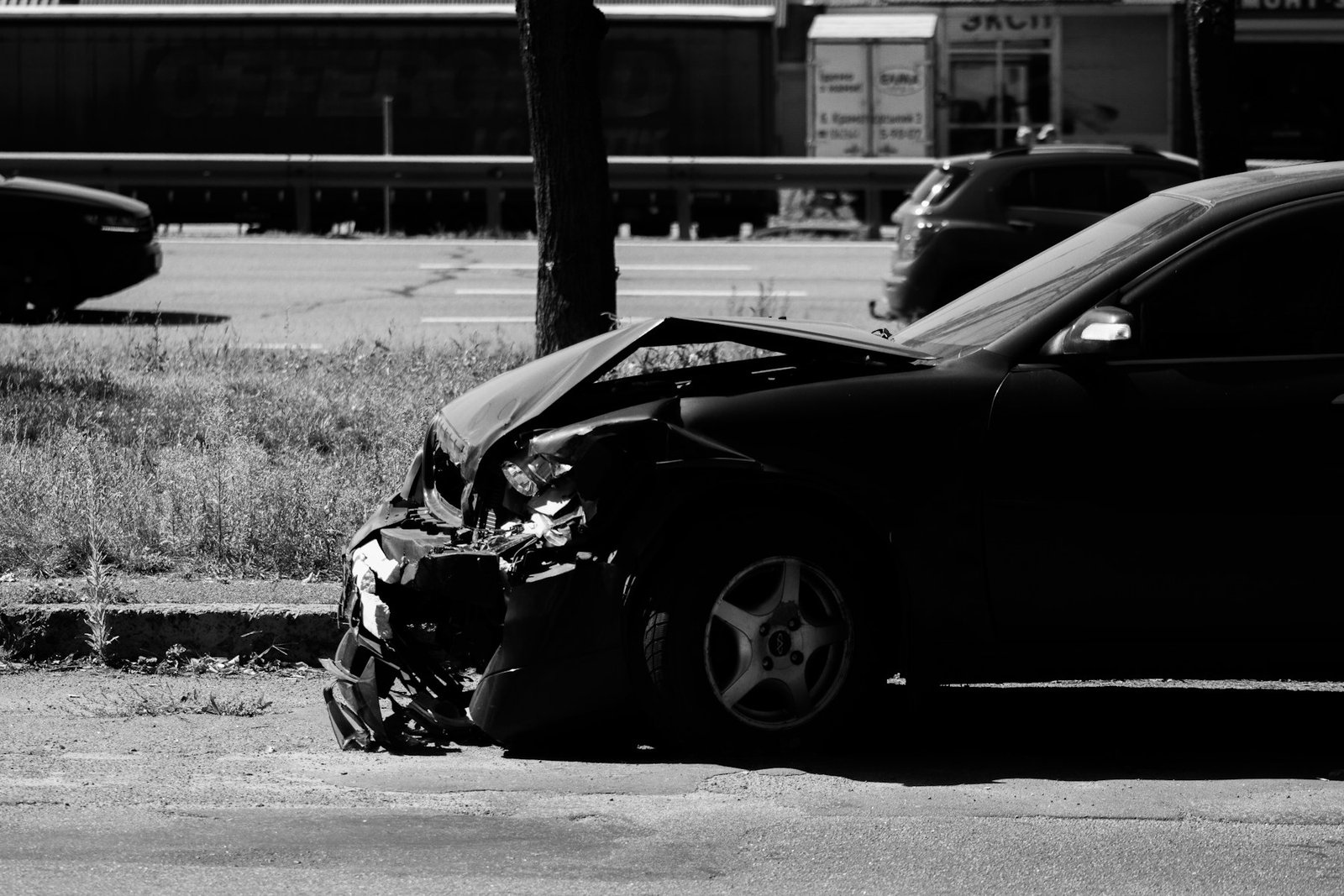
Collision mechanics
Vehicle movement, impact location, traffic controls and roadway conditions may affect responsibility.
After a car crash, clear evidence, medical documentation, fault analysis, and insurance coverage all matter to the next decision.
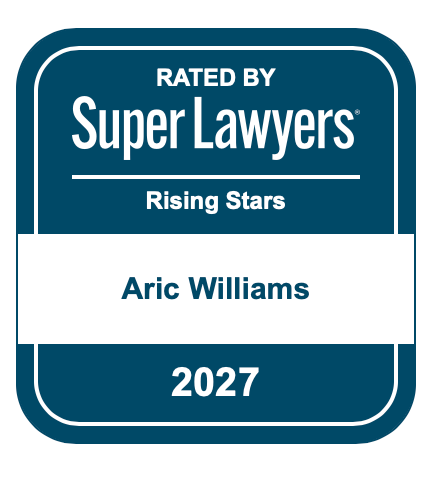
Super Lawyers · Rising Stars
Aric Williams was selected to the California Rising Stars list for each of these years.
Selections to the California Rising Stars list for 2022–2027. Verify on Super Lawyers. Recognition does not guarantee results.

Attorney recognition
Aric N. Williams
A useful review looks at how the crash happened, what the physical evidence shows, how injuries developed and what insurance coverage is available.
Request a Case Review →Vehicle movement, impact location, traffic controls and roadway conditions may affect responsibility.
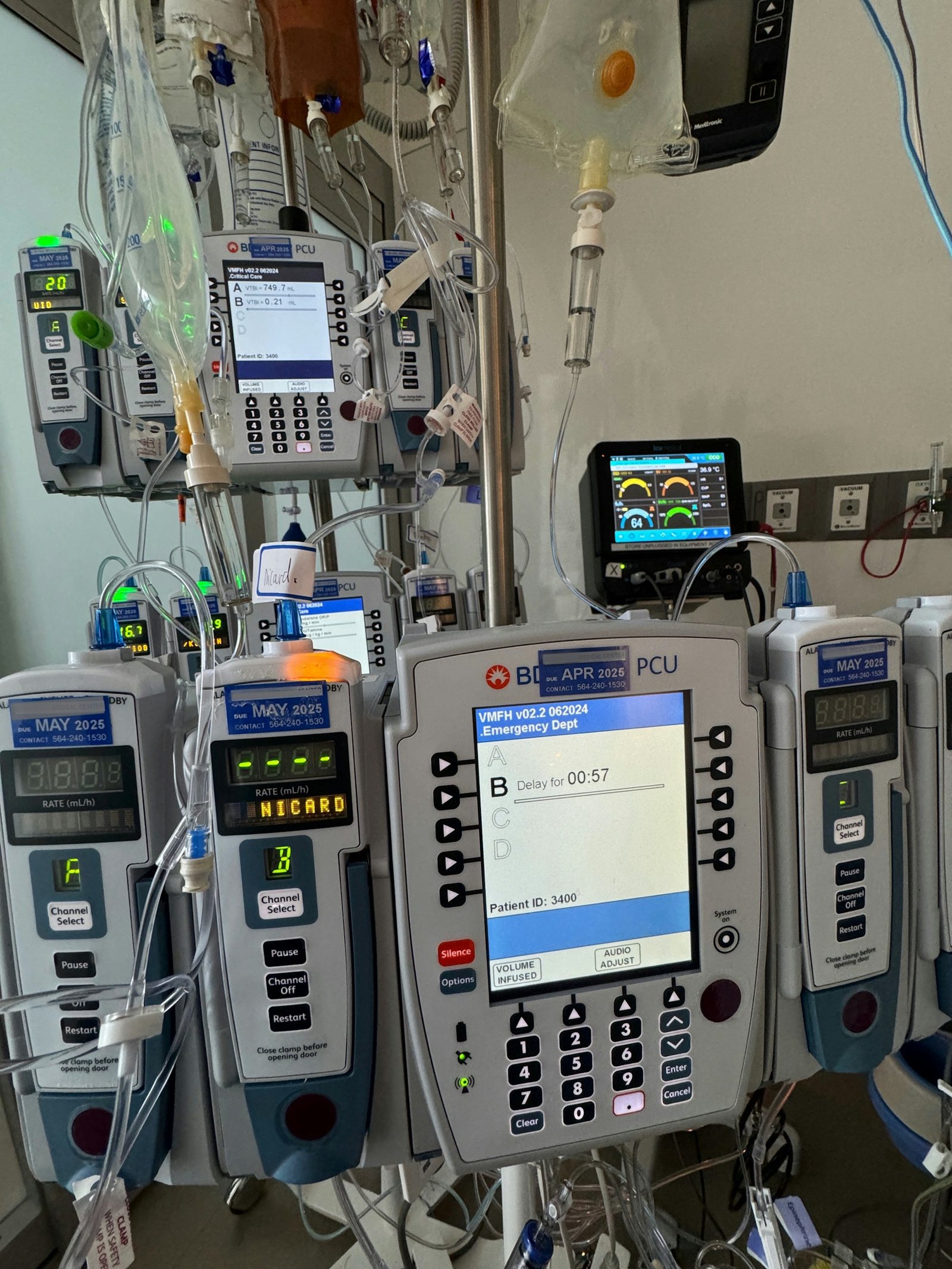
Emergency care, follow-up, rehabilitation and symptom progression help document injury impact.

Independent accounts and police records may help resolve competing descriptions of the crash.

Coverage limits, insurer requests and release terms can affect the practical outcome.
Preserve scene photographs, police information, witness details, vehicle damage, medical records and insurer communications while they are available.

Document vehicle positions, damage, roadway conditions, signs, signals and visible debris.
Reports may contain diagrams, statements, citation information and basic collision facts.
Independent witnesses can help confirm movement, traffic conditions and what happened before impact.
Treatment documentation connects injuries and recovery to the collision.
Property-damage records can help show impact severity and the areas of contact.
Keep claim numbers, letters, emails, offers and release documents organized.
Take care of immediate safety and medical needs, then preserve the collision and claim record.
1Seek appropriate evaluation and follow treatment recommendations.
2Keep police, incident and insurance exchange information.
3Save scene, damage and witness information while it is available.
 4
Understand statements, authorizations, offers and releases before making major claim decisions.
These questions often overlap and should be evaluated as one claim record.
Understand how responsibility may be evaluated.
Build a clear picture of the medical impact.
Identify coverage and claim issues.
General information can help you prepare better questions. The facts of an individual claim still need to be reviewed separately.
Explore Rider Resources →A denial does not end the analysis. Physical evidence, reports, witnesses and traffic rules may still help evaluate responsibility.
Seek medical care based on your health needs. Some symptoms may develop or worsen after the collision.
California comparative-fault principles may reduce recovery by an assigned percentage rather than automatically eliminating a claim.
Document the damage thoroughly and keep estimates or inspection records before repair when practical.
Compare the offer with the known injuries, treatment status, property damage, available coverage and release terms before deciding.

Share the basic crash facts or call the office to discuss liability, injuries, evidence and insurance issues.