
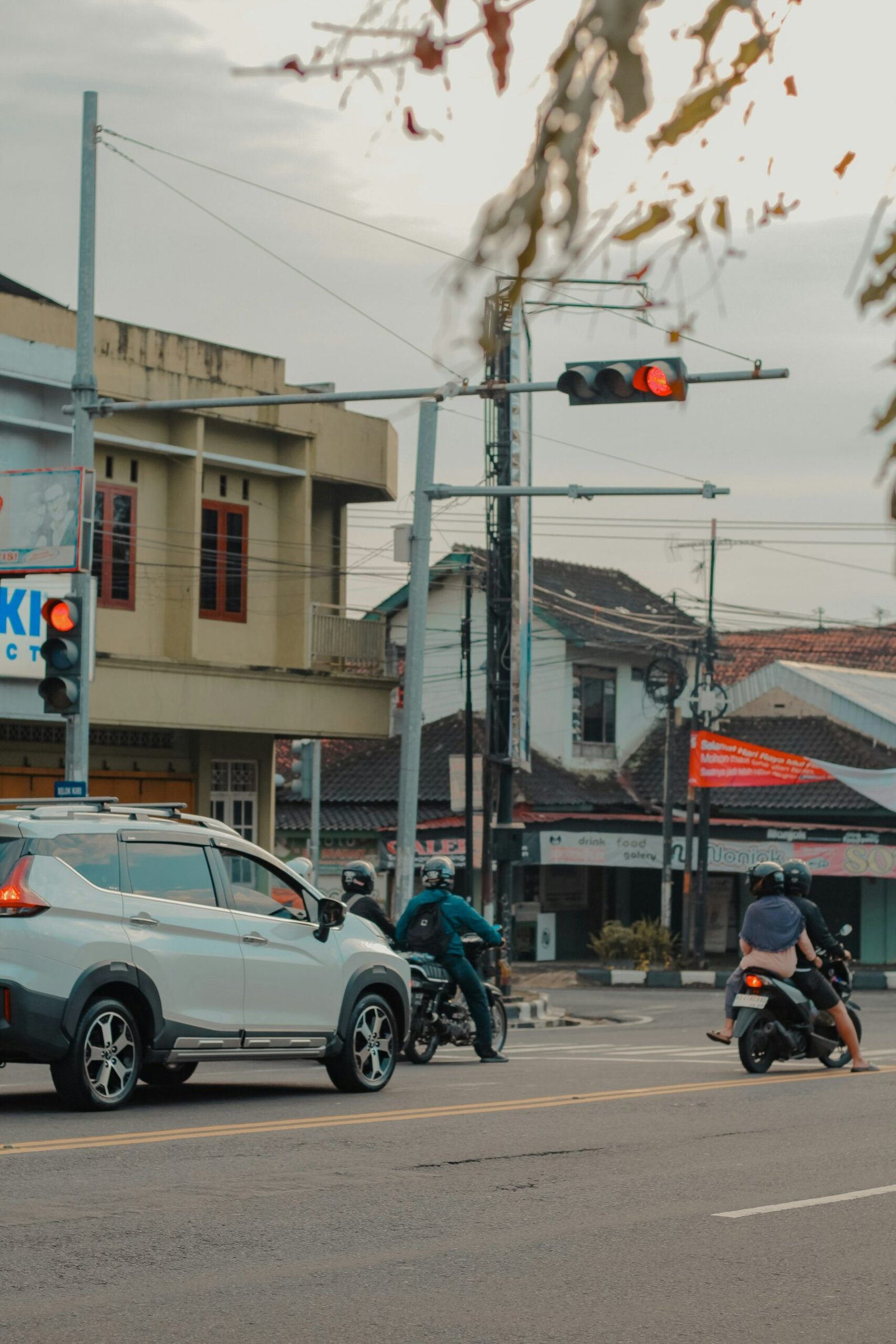
Sight lines and blind spots
Vehicle design, mirrors, obstructions and road geometry may affect what was visible.
Visibility disputes can involve lane position, lighting, blind spots, traffic movement, roadway design, and what a careful driver should have seen.

Super Lawyers · Rising Stars
Aric Williams was selected to the California Rising Stars list for each of these years.
Selections to the California Rising Stars list for 2022–2027. Verify on Super Lawyers. Recognition does not guarantee results.

Attorney recognition
Aric N. Williams
Motorcycles are smaller than passenger vehicles, but drivers still have a duty to use reasonable care. Visibility cases require a fact-specific review of the roadway, lighting, traffic and vehicle movement.
Request a Case Review →Vehicle design, mirrors, obstructions and road geometry may affect what was visible.
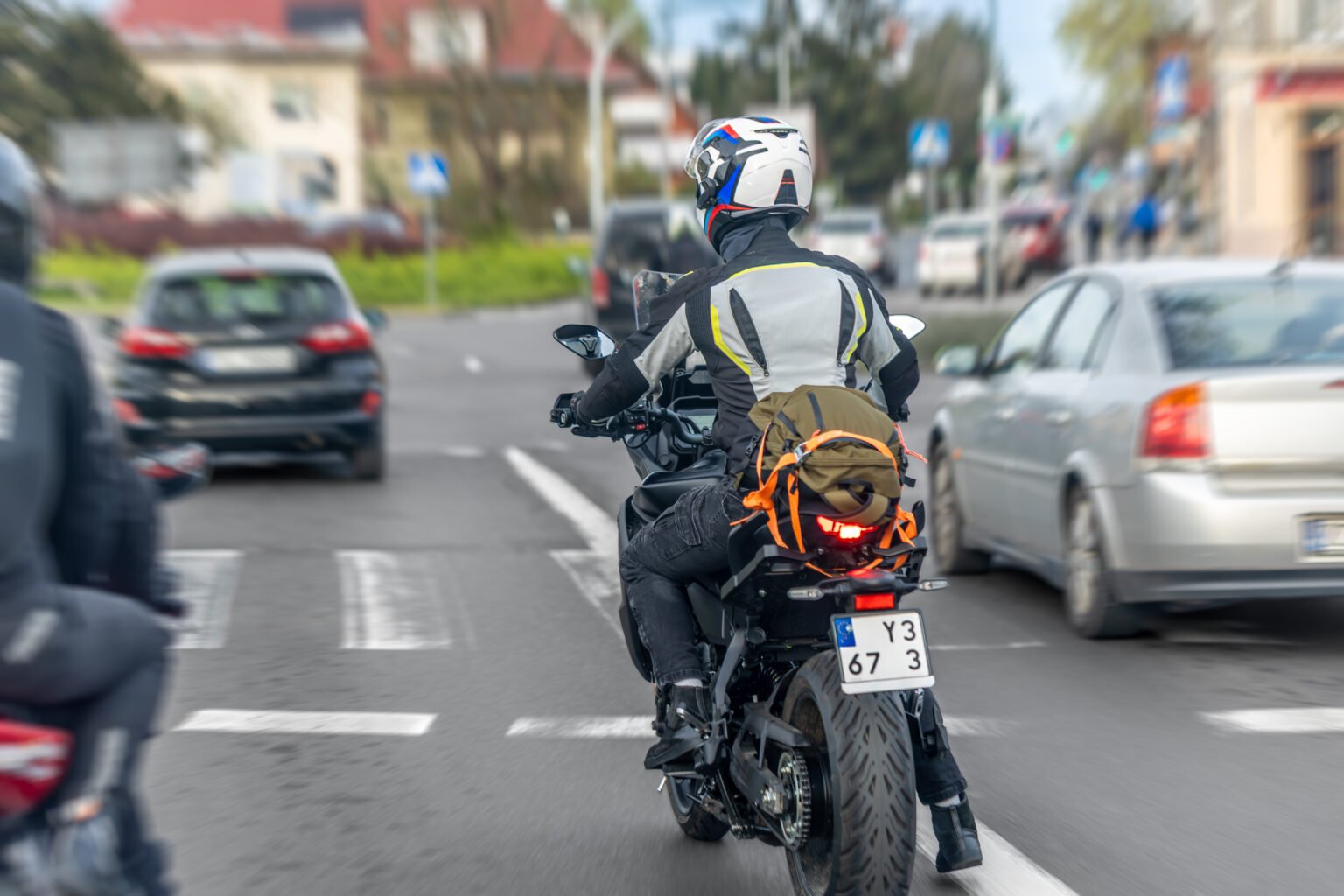
Daylight, darkness, weather, glare and background contrast can influence perception.
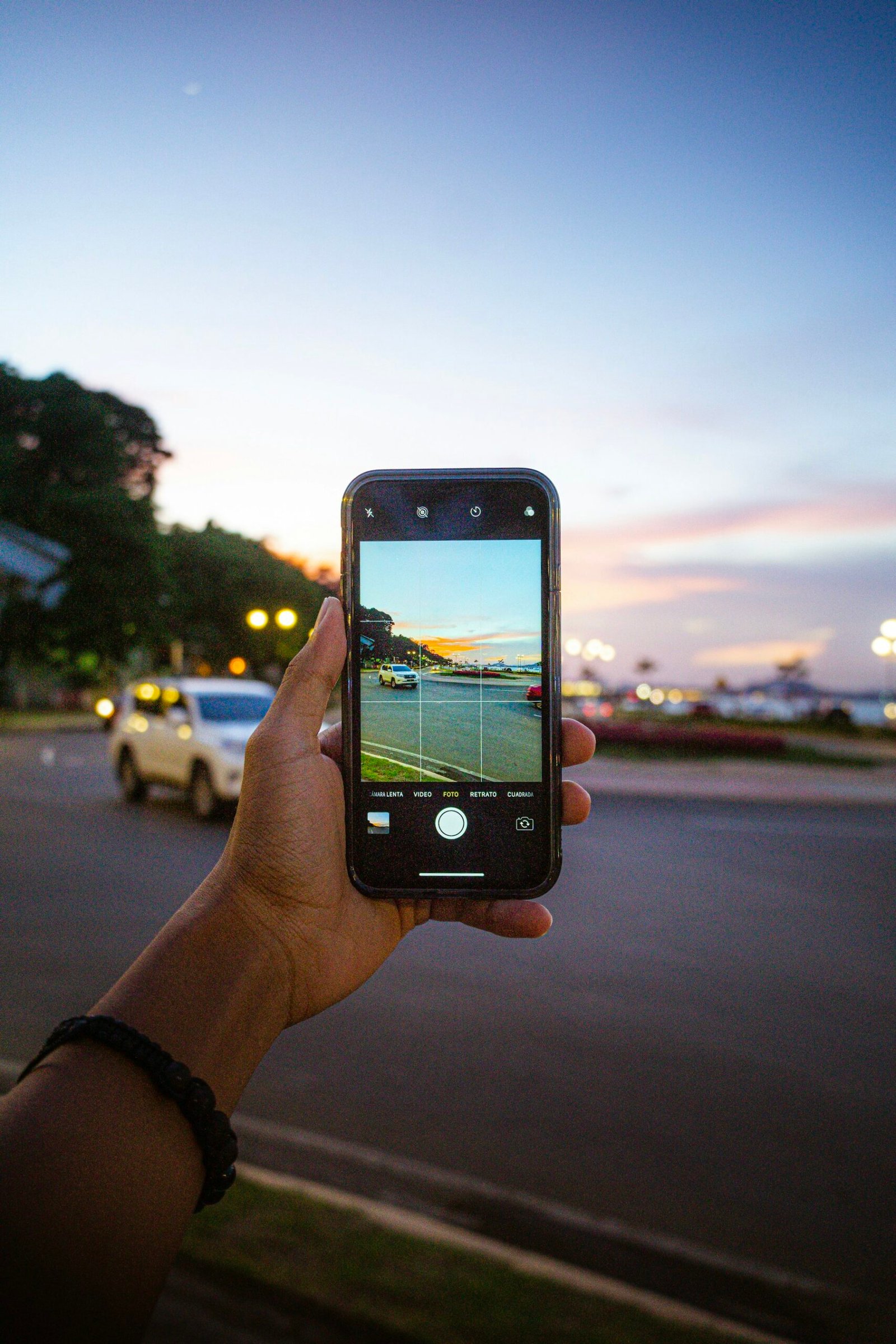
Where the rider and other vehicle were positioned can help explain the collision sequence.
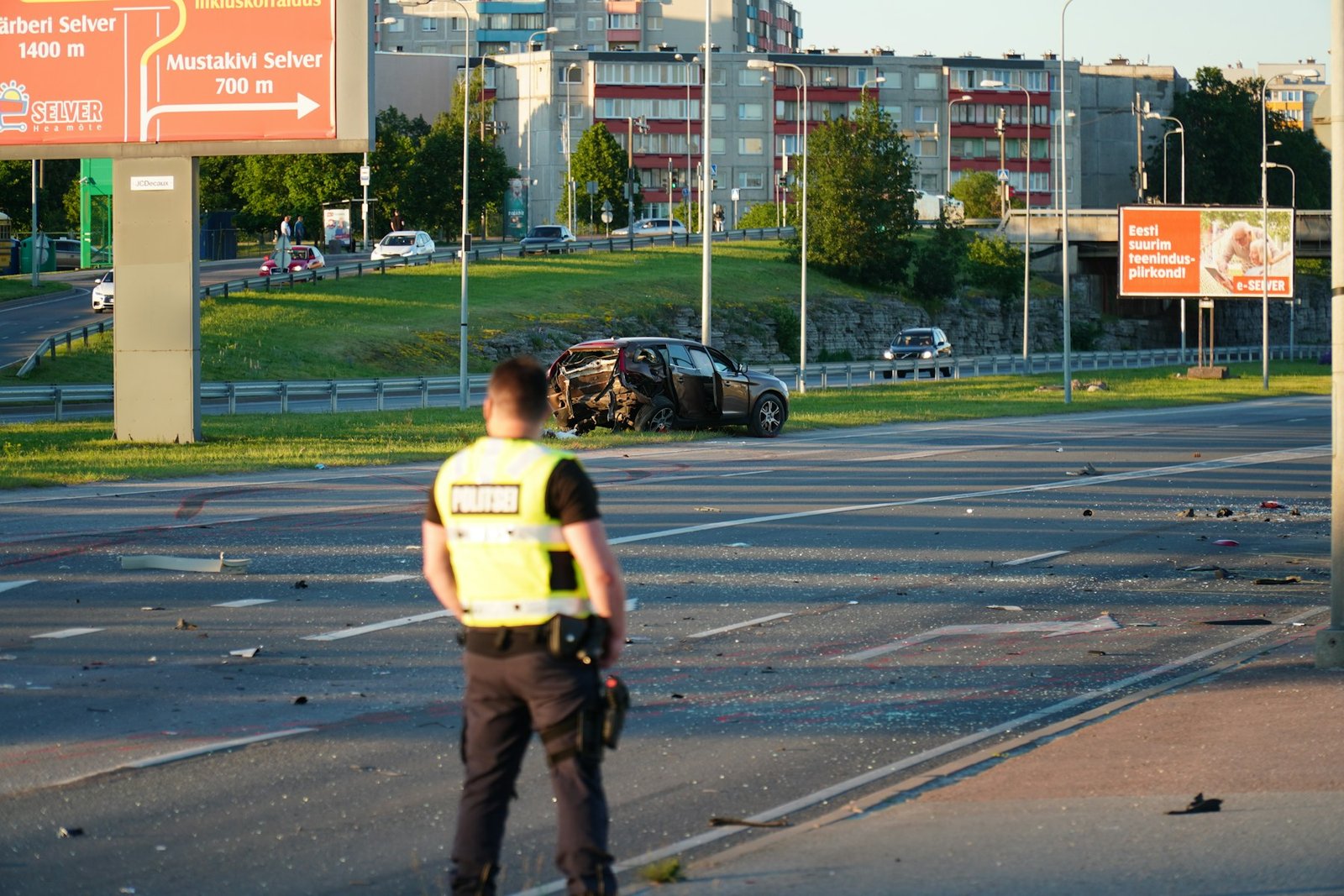
Driver comments, police records and witness accounts may confirm or contradict visibility claims.
A useful record shows the roadway as it actually existed: sight lines, lanes, lighting, traffic controls, damage and independent observations.
Document lanes, obstructions, lighting, signs, traffic controls and the approach to the collision point.
Reports may record statements, lane references, diagrams, citations and reported visibility conditions.
Independent witnesses may describe where vehicles were and whether the motorcycle was visible.
Treatment records connect the collision to the rider’s injury timeline and recovery.
Damage location can help test competing accounts of lane position and impact.
Keep claim numbers, letters, emails and coverage information organized for review.
The physical roadway can change and memories fade. Record what is available safely and keep original documents.
 1
Seek appropriate evaluation and keep a consistent treatment record.
2Photograph lanes, signs, obstructions, lighting and the approach to the collision area.
3Keep police information and witness contact details before they become difficult to recover.
 4
Avoid filling gaps with guesses when an insurer asks how the collision happened.
These claims often turn on small factual details that should be reviewed together, not in isolation.
Identify conditions that affected what could reasonably be seen.
Review where each vehicle was before and during impact.
Connect the collision evidence to the practical claim process.
General information can help you prepare better questions. The facts of an individual claim still need to be reviewed separately.
Explore Rider Resources →No single statement decides fault. The full circumstances, including sight lines, traffic, attention and vehicle movement, need to be considered.
It can. Lane position may help explain visibility, movement and impact, but it should be evaluated with the rest of the evidence.
Wide roadway views, driver sight lines, signs, markings, lighting conditions and close photographs of damage can all be useful.
Competing accounts are common. Physical evidence, reports, witnesses and comparative-fault principles may become especially important.
Do not place yourself in danger. Preserve safe photographs and records, and use existing evidence rather than attempting risky reenactments.

Bring the roadway facts, photographs, reports and insurer questions together for a focused review.