
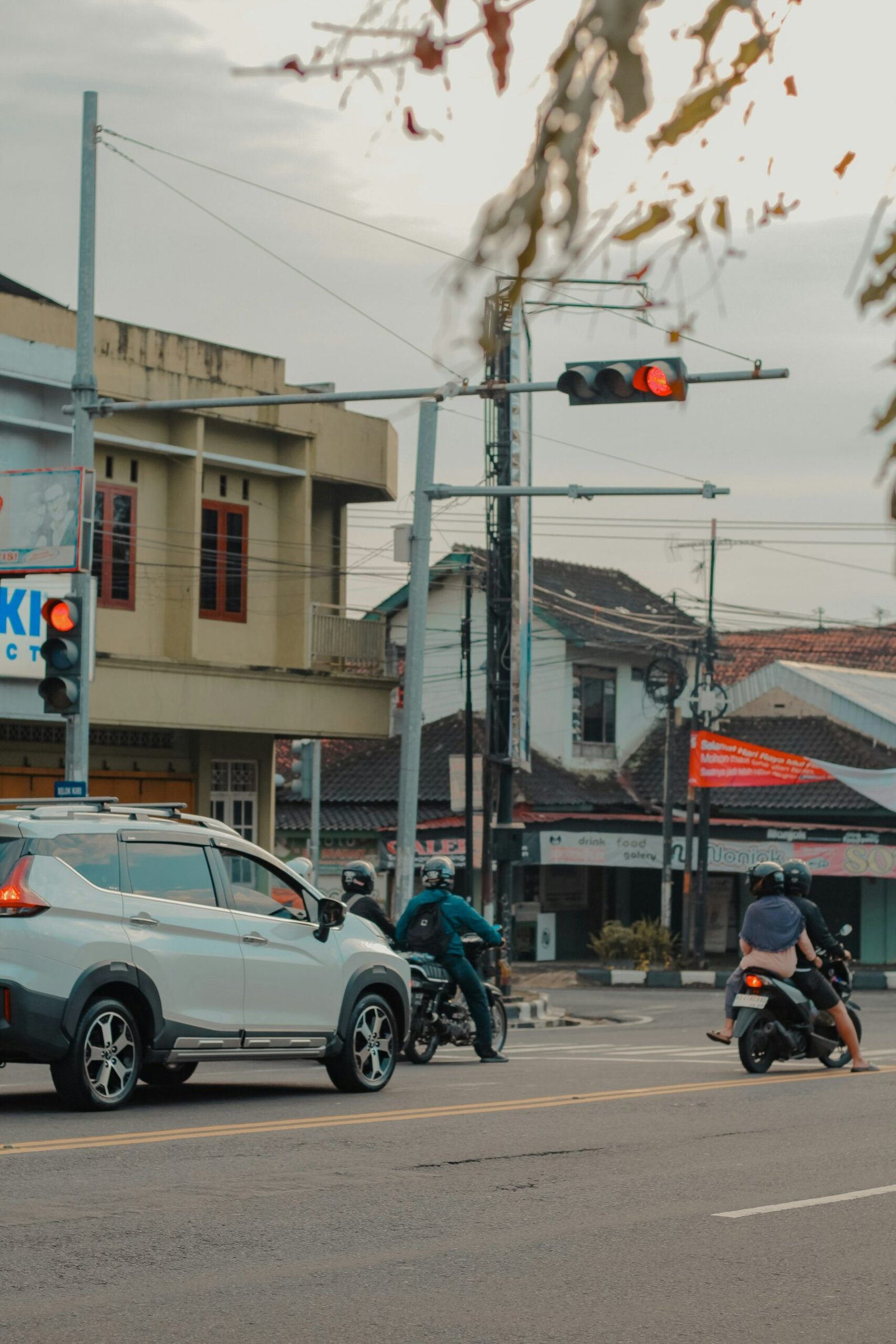
Turning movement
Where each vehicle was positioned and how the turn developed can be central to responsibility.
Left-turn crashes often turn on timing, sight lines, lane position, speed, and what each driver could reasonably see before impact.
Super Lawyers · Rising Stars
Aric Williams was selected to the California Rising Stars list for each of these years.
Selections to the California Rising Stars list for 2022–2027. Verify on Super Lawyers. Recognition does not guarantee results.

Attorney recognition
Aric N. Williams
A turning driver may cross a rider’s path in seconds. The strongest review looks beyond assumptions and reconstructs the intersection, vehicle movement, visibility and available records.
Request a Case Review →Where each vehicle was positioned and how the turn developed can be central to responsibility.
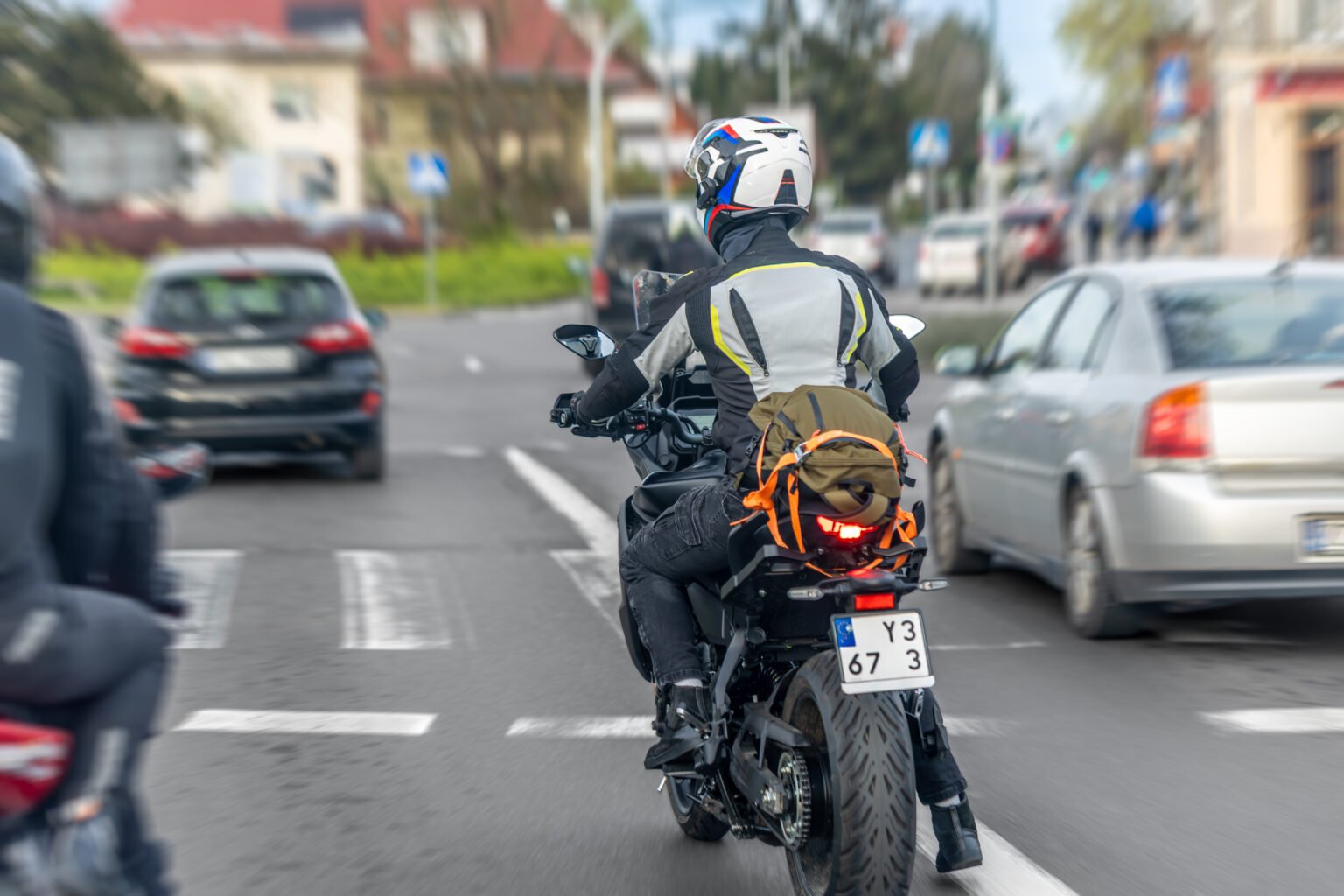
Obstructions, lighting, traffic and the rider’s lane position may affect what each driver could see.
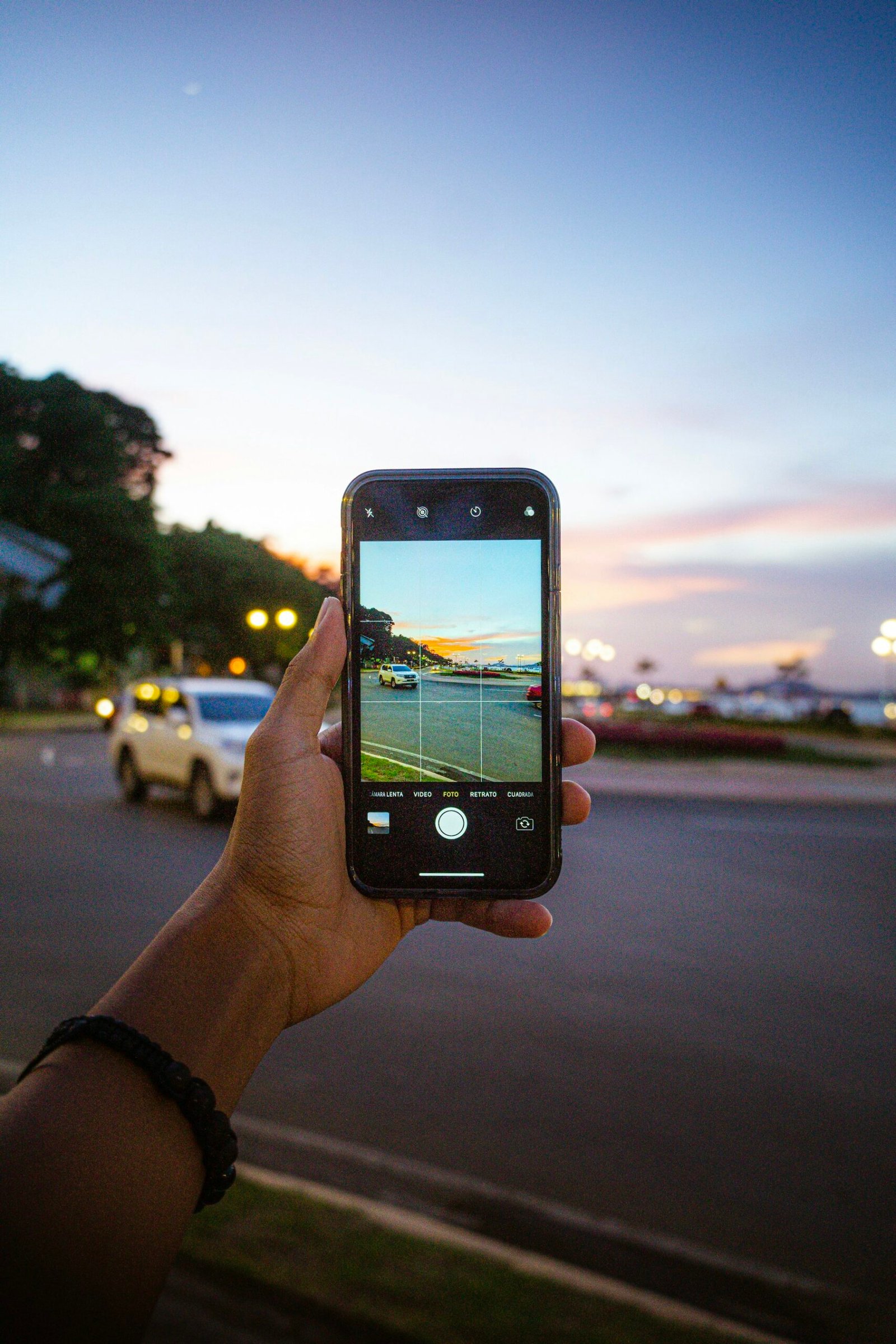
Witnesses, photographs, police reports and nearby video may help confirm the sequence of events.

Medical records and available insurance can shape the practical value and direction of a claim.
Intersection evidence can disappear quickly. Preserve the roadway picture, reports, witnesses, vehicle damage and medical documentation while those details are still available.
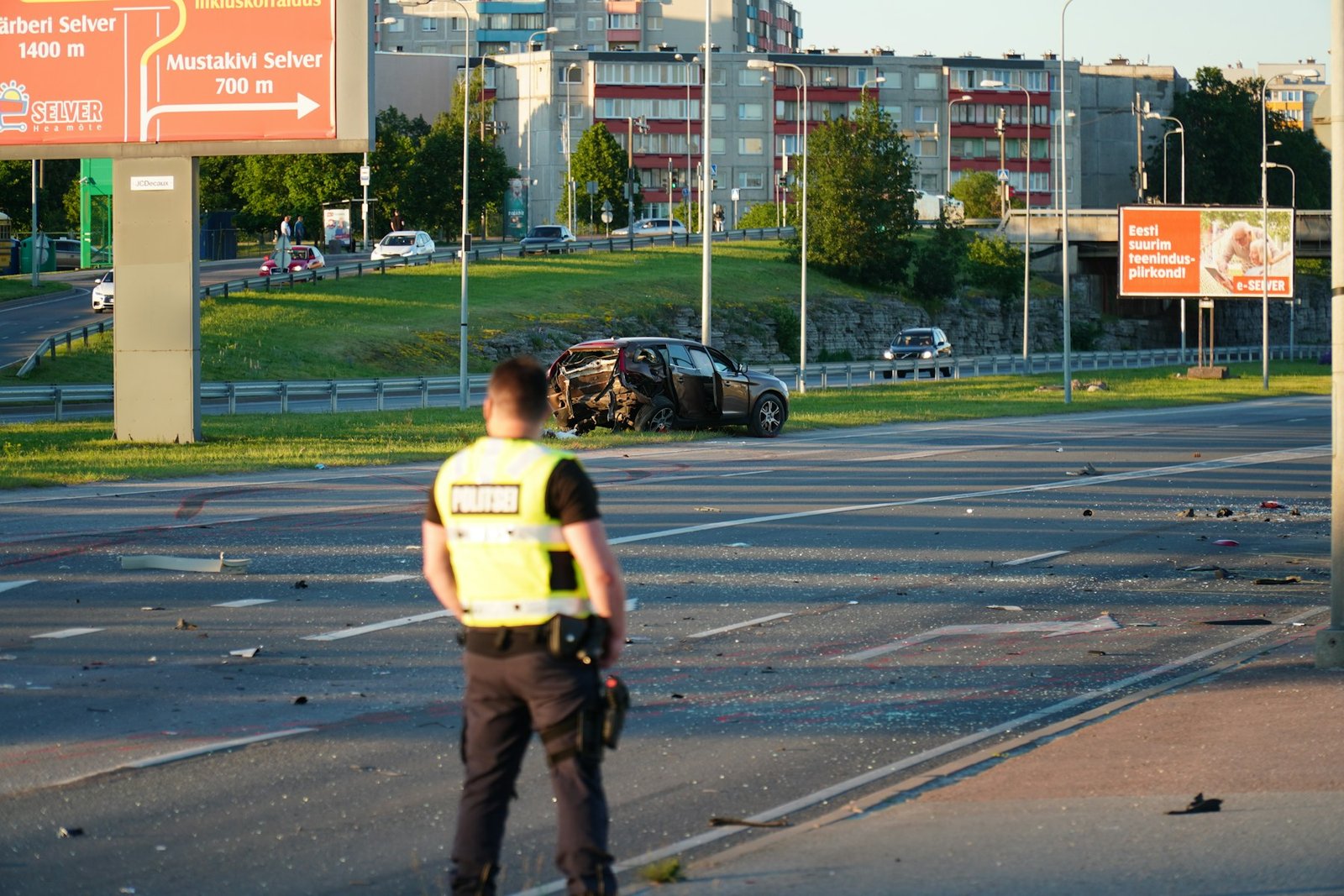
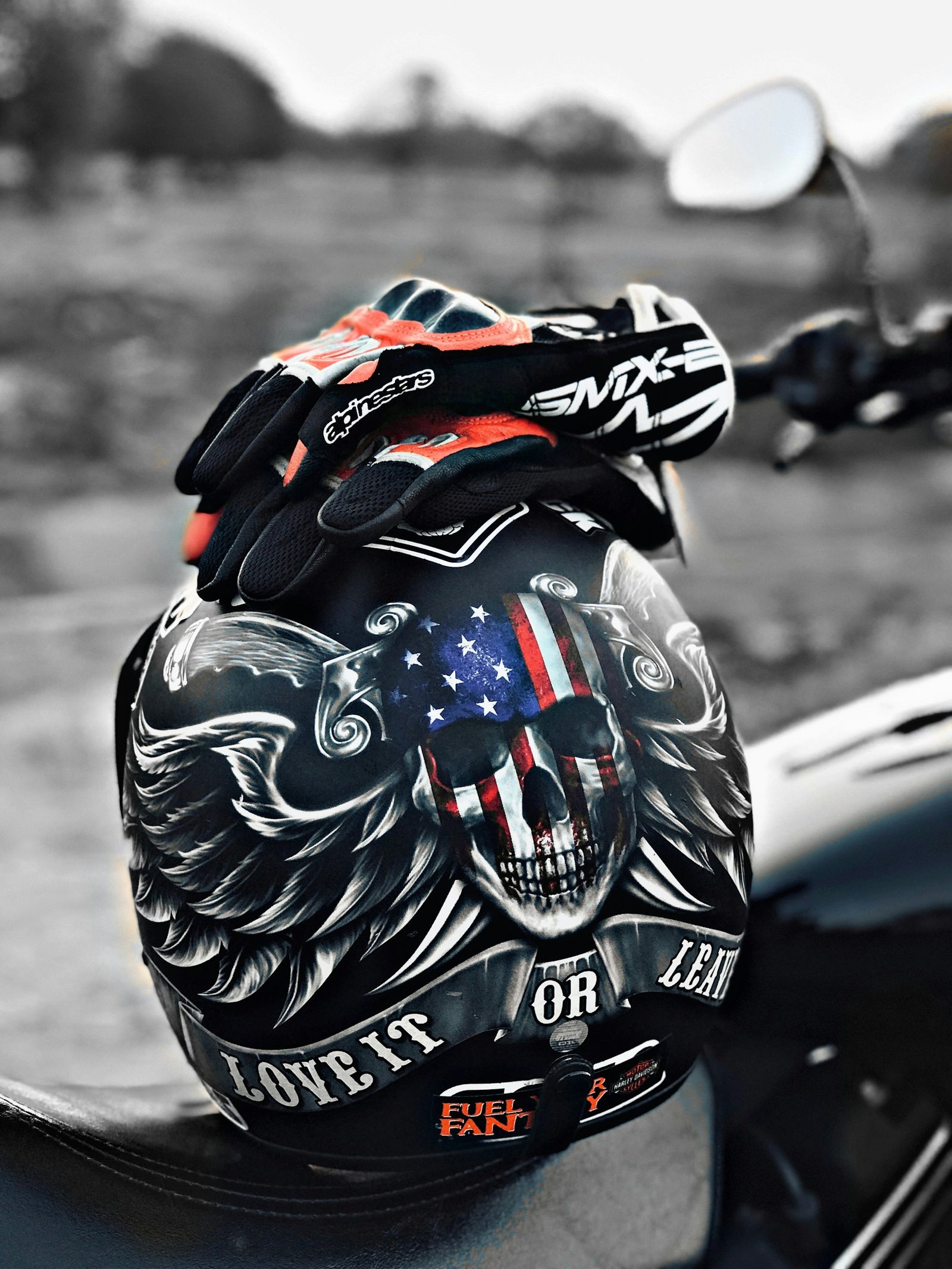
Wide and close views can show lanes, signals, sight lines, signs and road geometry.
Incident reports may record driver statements, citations, measurements and collision diagrams.
Independent witnesses may help establish timing, lane position and turning movement.
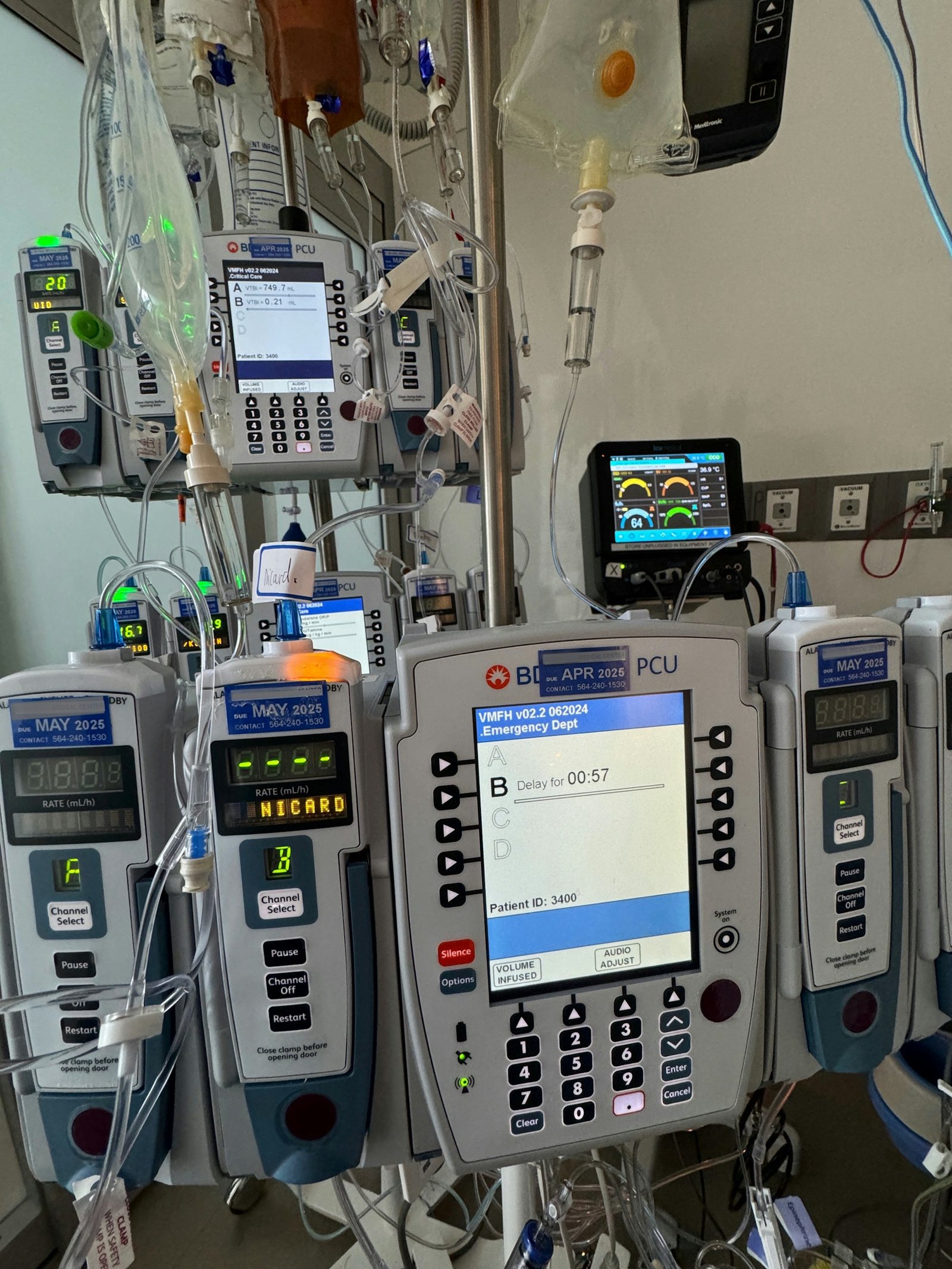
Treatment records help document when symptoms appeared and how injuries progressed.
Impact points and damage patterns can help explain the mechanics of the collision.
Keep letters, emails, policy information and claim numbers together for review.
Your safety and medical needs come first. After that, preserve the intersection and claim record before important details change.
 1
Seek evaluation and follow medical guidance, even when symptoms develop later.
2Keep the police or incident reference information and any exchange details.
3When safe, document lanes, signals, signs, obstructions and vehicle damage.
 4
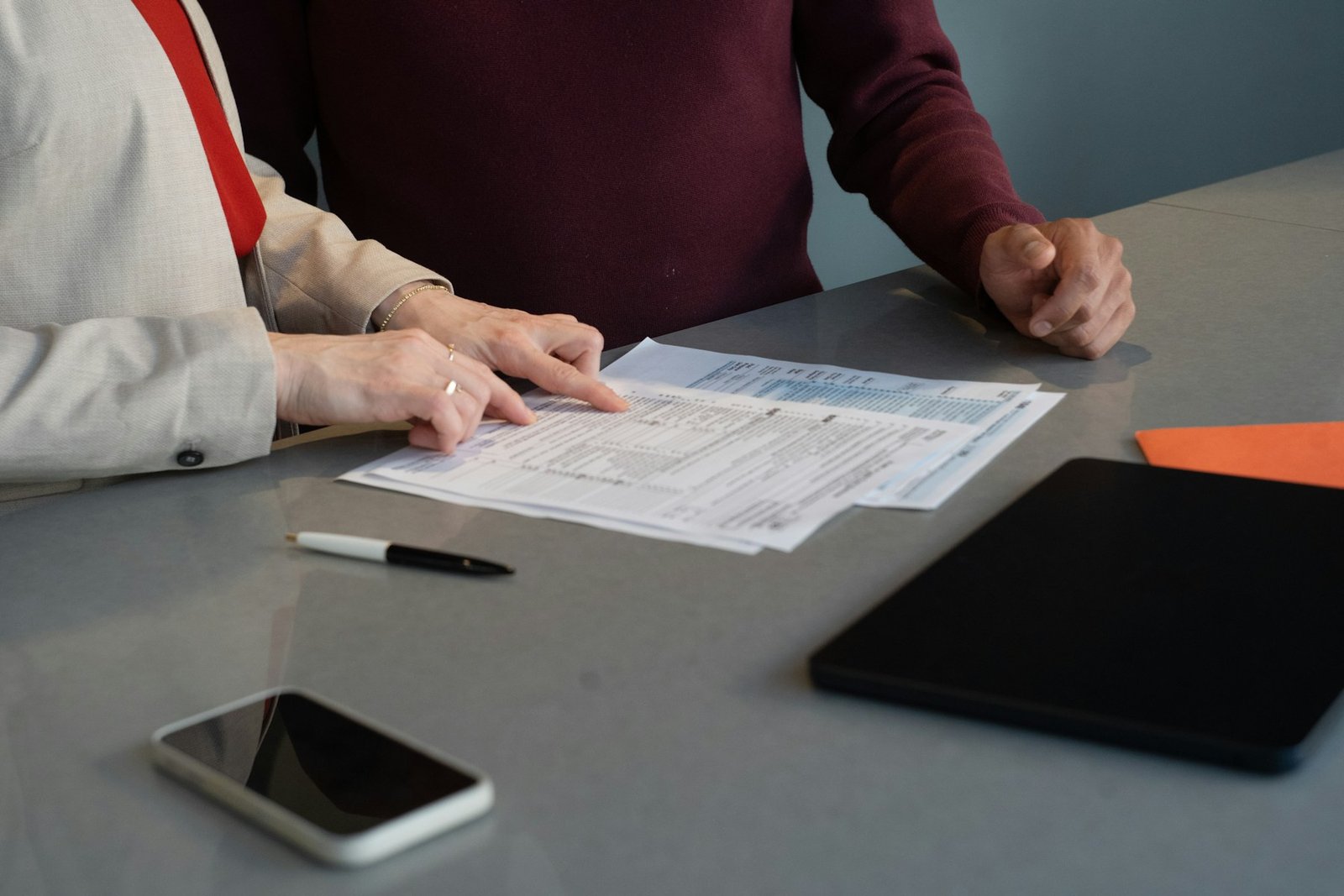
Understand liability, coverage and insurer requests before signing releases or giving uncertain statements.
These cases often involve a mix of intersection mechanics, rider visibility, medical documentation and insurance issues.
Review the facts that may affect who had the right of way.
Build a clear record of how the crash affected the rider.
Understand the coverage and claim requests that may follow.
General information can help you prepare better questions. The facts of an individual claim still need to be reviewed separately.
Explore Rider Resources →Not automatically. Responsibility depends on the specific movement, traffic controls, visibility, speed, timing and available evidence.
That statement is only one fact. Sight lines, lighting, obstructions, lane position, witness accounts and other evidence can also matter.
A disputed claim can still be evaluated. California comparative-fault principles may divide responsibility when more than one person contributed to a collision.
Photographs, police records, witness details, vehicle damage, nearby video and traffic-control information may all be useful.
Be careful with requests for detailed or recorded statements. Understand who is requesting information and why before guessing or speculating.
Share the basic crash facts or call the office to discuss the intersection, evidence, injuries and insurance questions that may matter.