
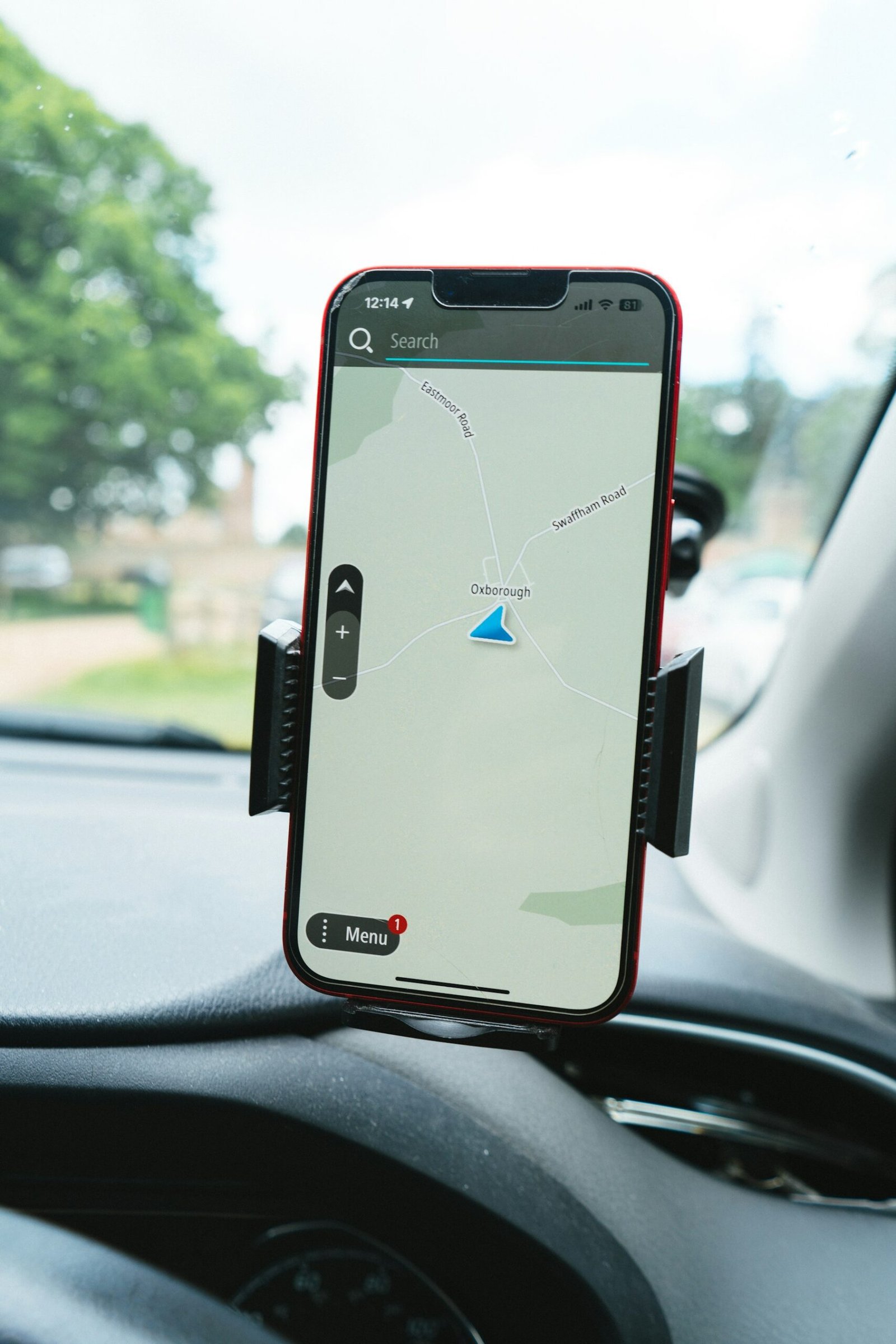
Trip and app status
The driver’s rideshare activity at the time of the collision may affect which coverage is potentially available.
Uber accident claims can involve the crash itself, the driver’s app status, multiple insurance policies, passenger evidence, medical records, and coverage questions.

Super Lawyers · Rising Stars
Aric Williams was selected to the California Rising Stars list for each of these years.
Selections to the California Rising Stars list for 2022–2027. Verify on Super Lawyers. Recognition does not guarantee results.

Attorney recognition
Aric N. Williams
Coverage may depend on whether the driver was offline, waiting for a ride, en route to a passenger, or carrying a passenger. The crash evidence and trip record should be reviewed together.
Request a Case Review →The driver’s rideshare activity at the time of the collision may affect which coverage is potentially available.

Vehicle movement, impact location and fault still matter just as they do in other collision claims.
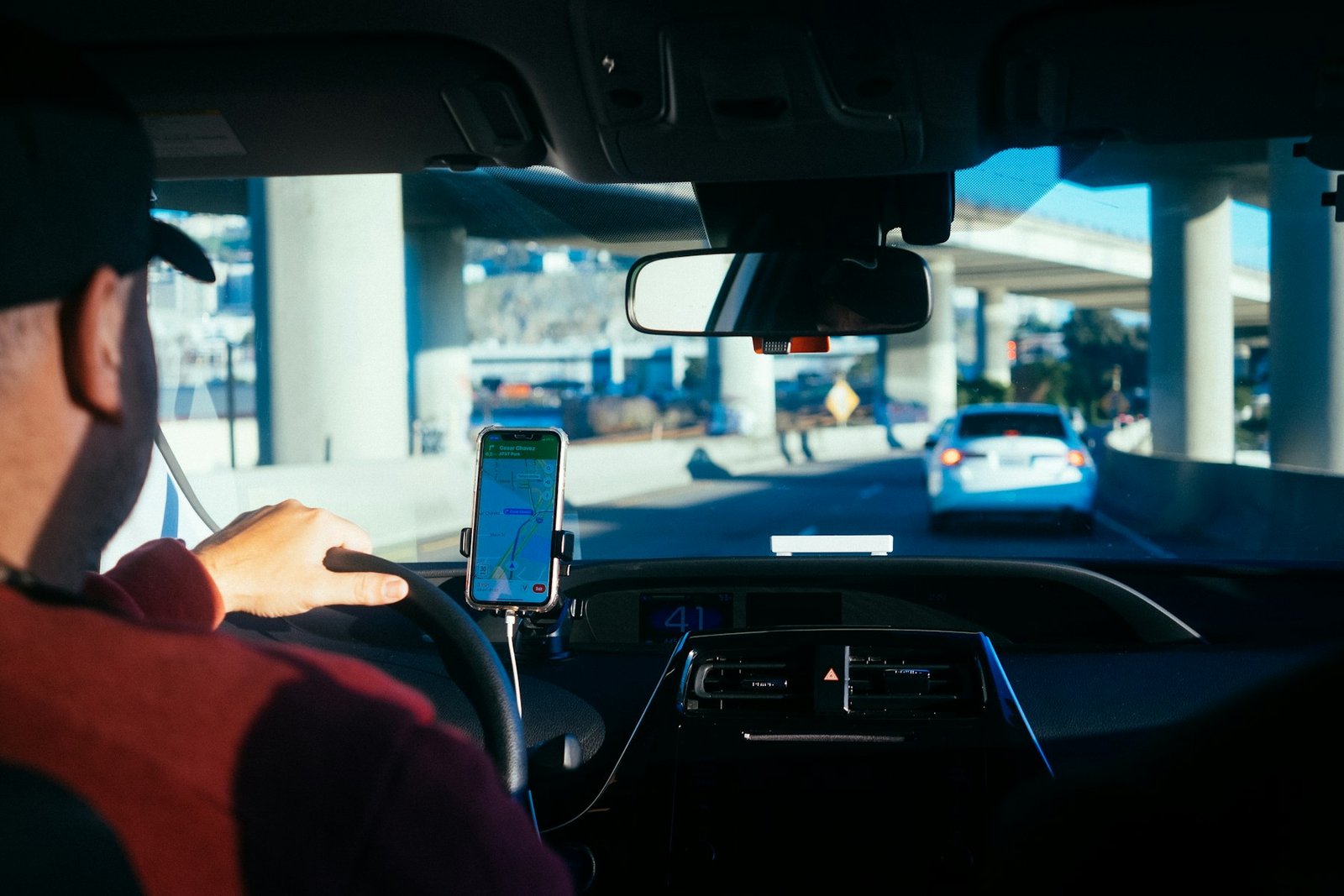
Trip confirmations, app screenshots and independent witnesses may help preserve important facts.

Treatment records and claim correspondence help connect the injury picture to the available coverage.
Preserve trip details, app records, crash photographs, reports, witness information, medical documentation and insurance correspondence while they are available.

Trip receipts, screenshots and account records may help establish the rideshare status at the time of the crash.
Document the collision, damage, road conditions and vehicle positions when safe.
Reports may contain statements, diagrams and basic collision information.
Independent witnesses or passengers may help confirm how the crash occurred.
Keep emergency, follow-up and rehabilitation records organized chronologically.
Preserve correspondence from the driver’s carrier, rideshare insurer and your own insurer.
Take care of medical needs first, then preserve the trip and claim record before key information becomes harder to recover.
 1
Seek appropriate evaluation and keep a clear treatment record.
2Keep receipts, screenshots, trip details and the driver information available in the app.
3Keep police information, photos, witness contacts and vehicle damage records.
 4
Identify which carriers are involved before making major statement or settlement decisions.
Uber cases often combine ordinary crash evidence with app-status and layered-coverage issues.
Determine what the driver was doing in the app at the time.
Build the factual and medical record.
Identify which policies may matter.
General information can help you prepare better questions. The facts of an individual claim still need to be reviewed separately.
Explore Rider Resources →No. Coverage depends on the facts, driver status, applicable policies and responsibility for the collision.
Passenger status can be important evidence, but fault and available insurance still need to be evaluated.
Yes. Trip receipts, screenshots and account records may help establish the timing and rideshare status.
A claim may involve another at-fault driver, the rideshare driver, or multiple coverage sources depending on the facts.
Potentially, depending on the policies, the driver’s app status and the circumstances.
Bring the trip details, crash evidence, medical records and insurer information together for a focused review.