

At-fault insurance status
The first question is whether the responsible driver truly lacks applicable liability coverage.
When an at-fault driver has no applicable liability insurance, your own uninsured motorist coverage may become an important part of the claim.

Super Lawyers · Rising Stars
Aric Williams was selected to the California Rising Stars list for each of these years.
Selections to the California Rising Stars list for 2022–2027. Verify on Super Lawyers. Recognition does not guarantee results.

Attorney recognition
Aric N. Williams
Uninsured motorist coverage is designed for certain losses caused by drivers without applicable liability insurance. The policy, fault evidence and injury record still need to be reviewed carefully.
Request a Case Review →The first question is whether the responsible driver truly lacks applicable liability coverage.
Declarations pages and policy terms can show whether uninsured motorist protection is available.

UM claims still require proof of responsibility for the collision.
Treatment records and other loss evidence remain central to the amount of the claim.
A UM claim should document both the underlying collision and why uninsured motorist coverage is being invoked. Preserve policy records, insurance-status information, fault evidence and damages.

Keep the policy documents showing uninsured motorist coverage, limits and relevant terms.
Preserve denial letters, policy information or other records showing the lack of applicable liability coverage.
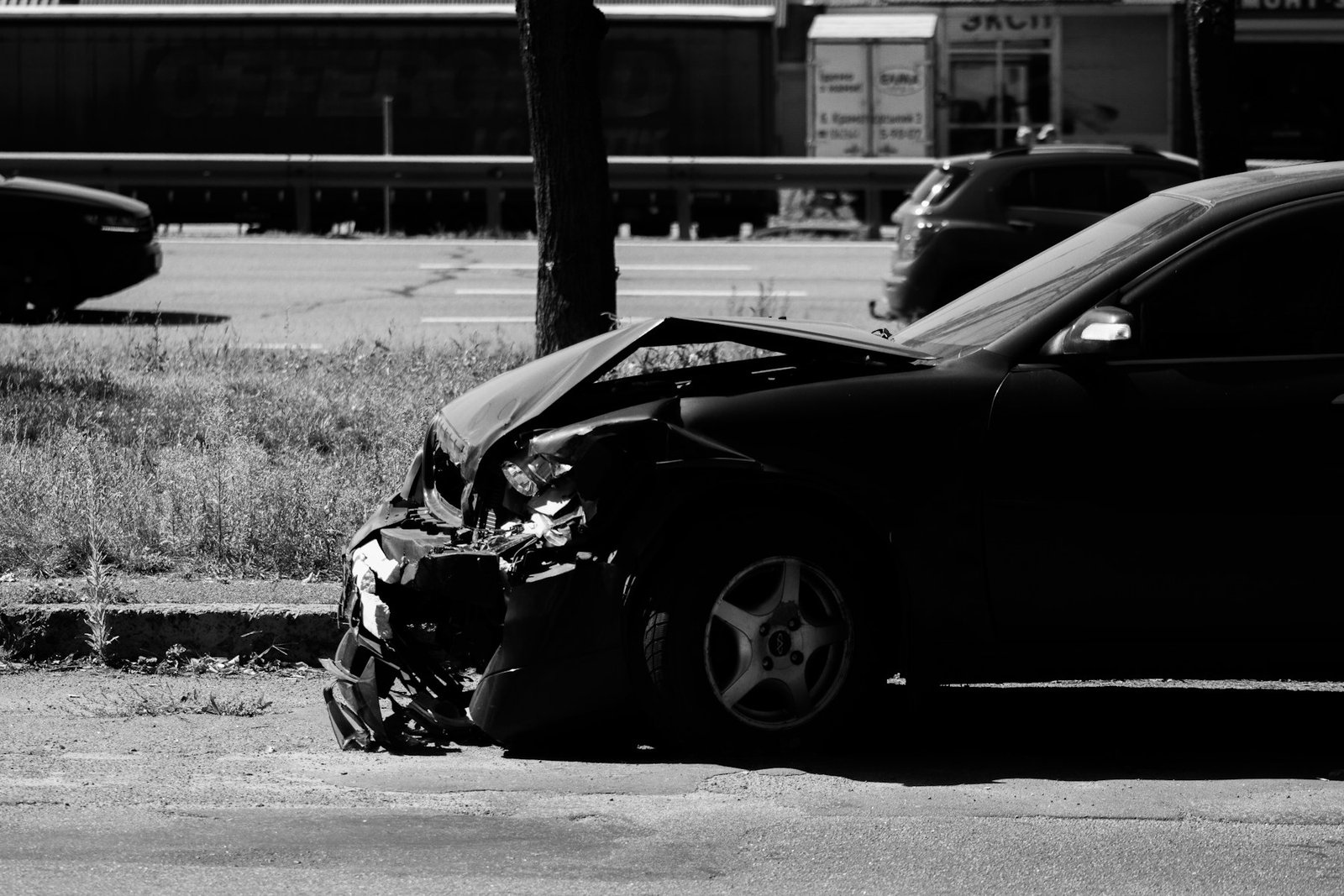
Photographs, reports and vehicle damage help establish how the collision happened.
Independent evidence can help prove responsibility when fault is disputed.
Treatment records document the injuries and claimed medical losses.
Keep notices, requests, offers and other communications with your own insurer.
Do not assume there is no recovery path until the insurance status and your own policy have been checked.
1Keep the other driver’s information and any carrier responses showing coverage status.
2Locate declarations pages and uninsured motorist coverage terms.
3Keep reports, photos, witnesses and medical documentation.
 4
Your own insurer may still investigate fault, damages and policy requirements.
Uninsured motorist claims combine policy analysis with the same liability and injury evidence needed in the underlying accident.
Determine whether UM protection applies.
Prove the uninsured driver was responsible.
Document the losses being presented to your insurer.
General information can help you prepare better questions. The facts of an individual claim still need to be reviewed separately.
Explore Rider Resources →UM coverage may apply when an at-fault driver has no applicable liability insurance, subject to the policy and facts.
Yes. A UM claim generally still requires proof that the uninsured driver was legally responsible for the collision.
Your insurer may evaluate coverage, fault and damages before paying a UM claim, even though you are its policyholder.
That can change the coverage analysis. Keep all carrier responses and policy information.
Your policy may create cooperation duties, but understand the request and avoid guessing about facts you do not know.
Bring the crash evidence, other driver’s insurance information, your policy and current medical documentation together for review.