
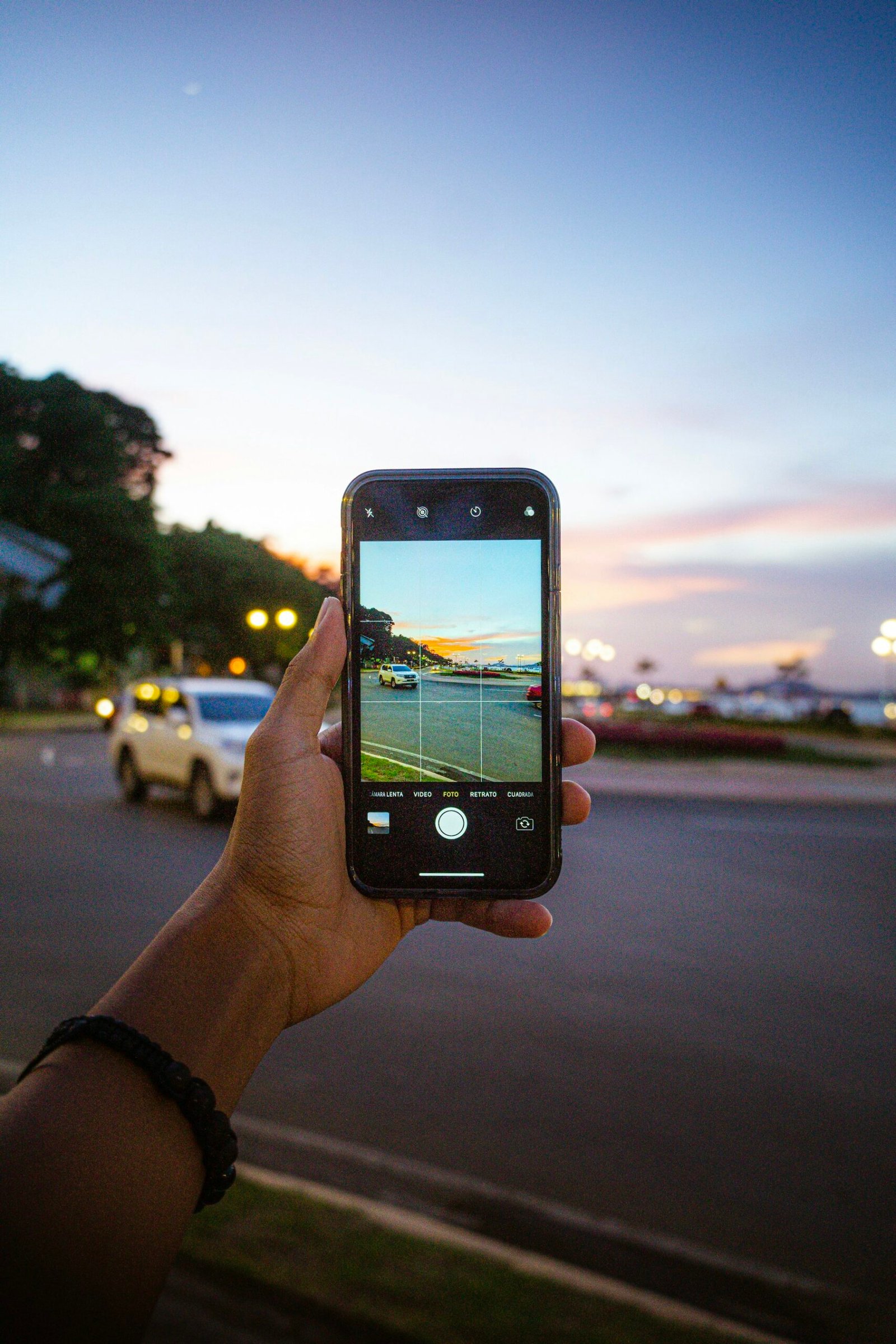
Scene photographs
Wide and detailed images can preserve road layout, debris, signs, weather and visibility.
Crash evidence can disappear, vehicles can be repaired, and memories can change. A strong record starts with preserving what still exists.

Super Lawyers · Rising Stars
Aric Williams was selected to the California Rising Stars list for each of these years.
Selections to the California Rising Stars list for 2022–2027. Verify on Super Lawyers. Recognition does not guarantee results.

Attorney recognition
Aric N. Williams
A motorcycle claim may depend on details that are easy to lose: scene conditions, impact damage, witness information, original files and insurer communications.
Request a Case Review →Wide and detailed images can preserve road layout, debris, signs, weather and visibility.
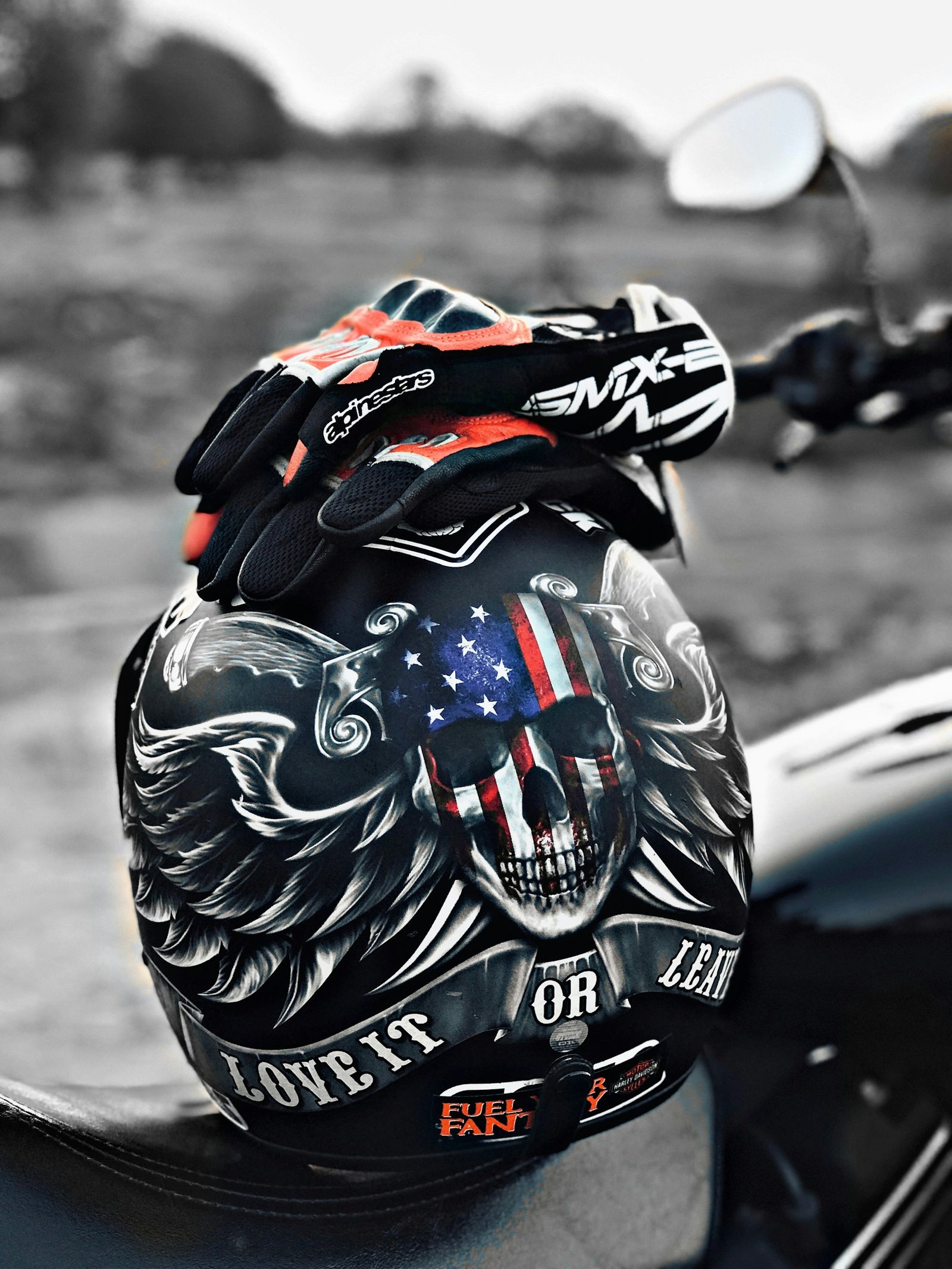
Damage patterns may help explain impact direction, severity and collision mechanics.

Police records and independent witnesses can provide information that does not depend on either party’s memory alone.

Treatment and insurance documents help connect injuries, expenses and coverage issues to the crash timeline.
Preserve original photographs, reports, witness details, damaged equipment, medical records and insurance communications. Keep copies, dates and source information organized.
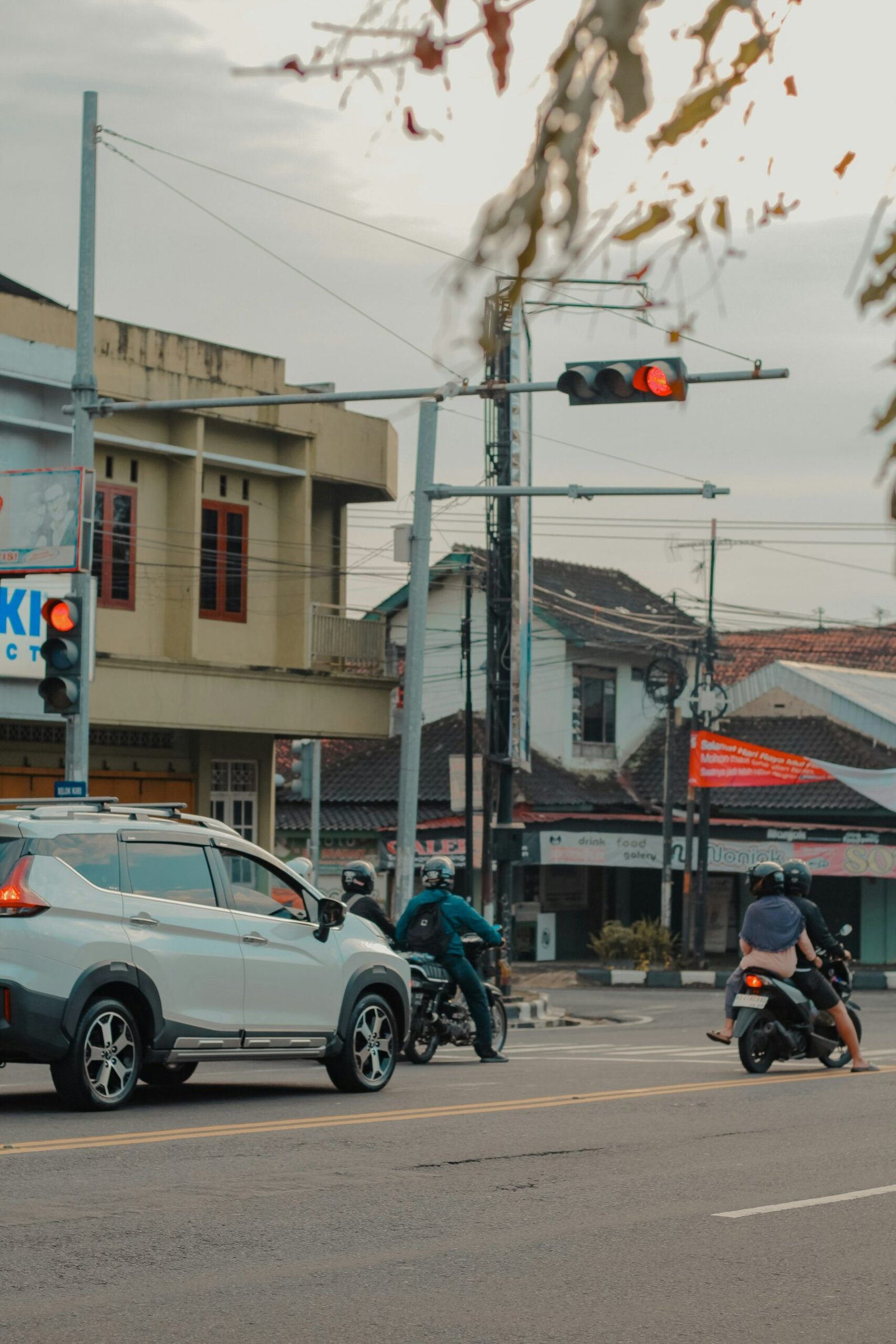
Capture road layout, vehicle positions, debris, signals, signs, lighting and weather when safe.
Reports may contain diagrams, statements, citation information and basic crash facts.
Independent witnesses may help confirm movement, timing and what happened before impact.
Keep emergency, follow-up and rehabilitation records in chronological order.
Preserve photographs and records before repair, disposal or replacement when practical.
Keep claim numbers, coverage correspondence, requests, offers and releases in one file.
Protect your health first. Then preserve the record without altering evidence or putting yourself at risk.
1Take clear wide and close images of the scene, vehicles and relevant roadway details when it is safe.
2Save police information, digital files, witness details and repair or inspection documents.
 3
Maintain a simple timeline of appointments, symptoms, treatment and major recovery milestones.
4Keep copies of letters, emails, forms, offers and requests rather than relying on memory.
The strongest file connects physical crash evidence with the injury timeline and insurance record.
Preserve the physical facts that help explain the collision.
Keep independent sources of information organized.
Build a chronological claim record.
General information can help you prepare better questions. The facts of an individual claim still need to be reviewed separately.
Explore Rider Resources →Prioritize safety, then preserve photographs, report information, witness contacts and the condition of vehicles or gear before they change.
When practical, document it thoroughly before repair, sale or disposal. Whether physical preservation is necessary depends on the circumstances.
Screenshots can be useful, but keeping original files and source information is better when available.
Other evidence may still exist, including police records, witness photos, nearby video, repair records and post-crash damage photographs.
A chronological treatment timeline with providers, dates and major changes can make the record easier to understand.
Bring the photographs, reports, witness information and claim documents you already have together for review.