
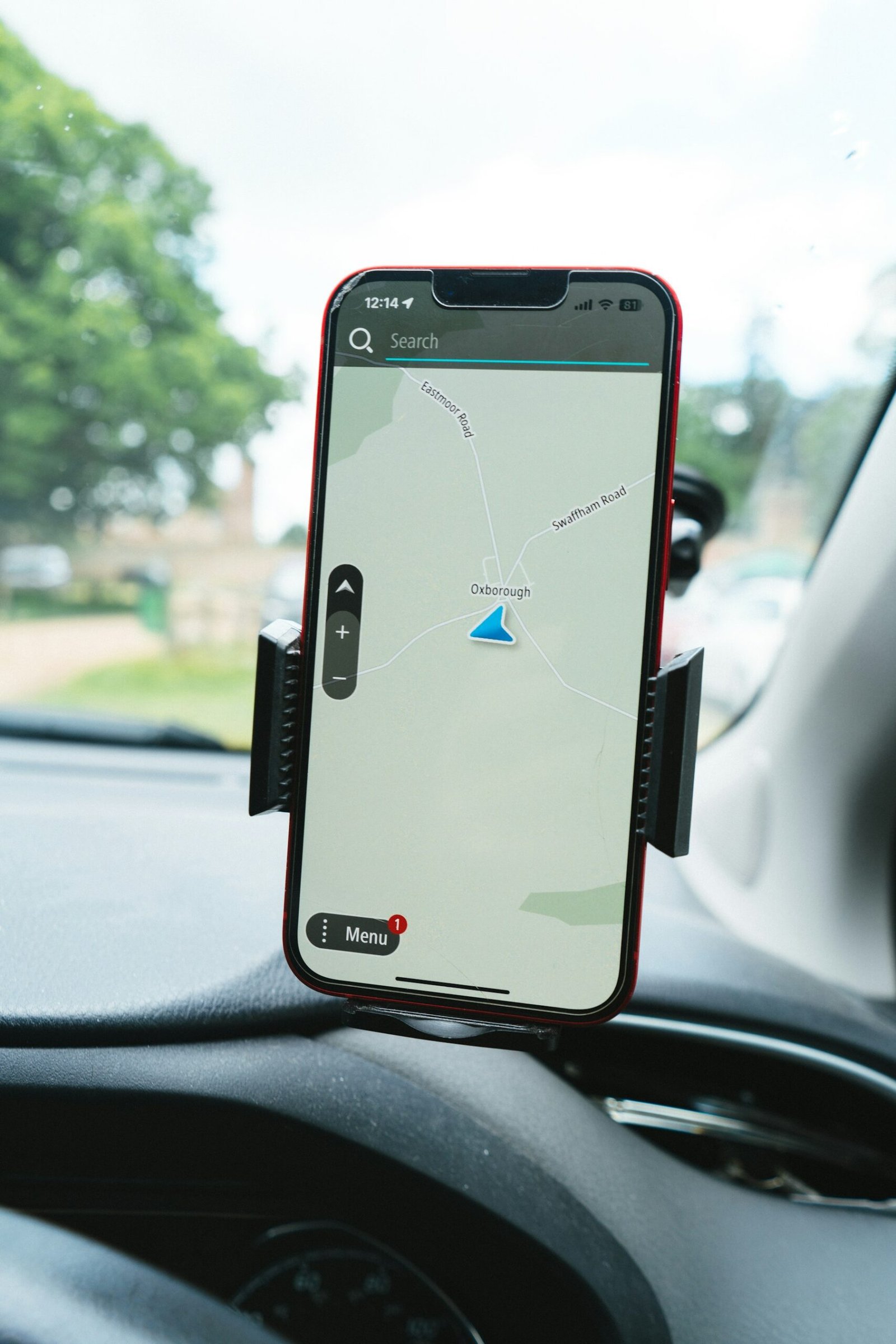
Driver app status
Whether the driver was offline, waiting, en route or carrying a passenger can affect coverage.
Lyft accident claims can involve the driver’s app status, trip records, collision evidence, passenger information, multiple insurance policies, and injury documentation.

Super Lawyers · Rising Stars
Aric Williams was selected to the California Rising Stars list for each of these years.
Selections to the California Rising Stars list for 2022–2027. Verify on Super Lawyers. Recognition does not guarantee results.

Attorney recognition
Aric N. Williams
The available insurance can change depending on what the Lyft driver was doing in the app. Preserve the trip record along with the same scene, witness and medical evidence that matters in any serious crash.
Request a Case Review →Whether the driver was offline, waiting, en route or carrying a passenger can affect coverage.

Traffic movement, impact and roadway evidence remain central to determining fault.
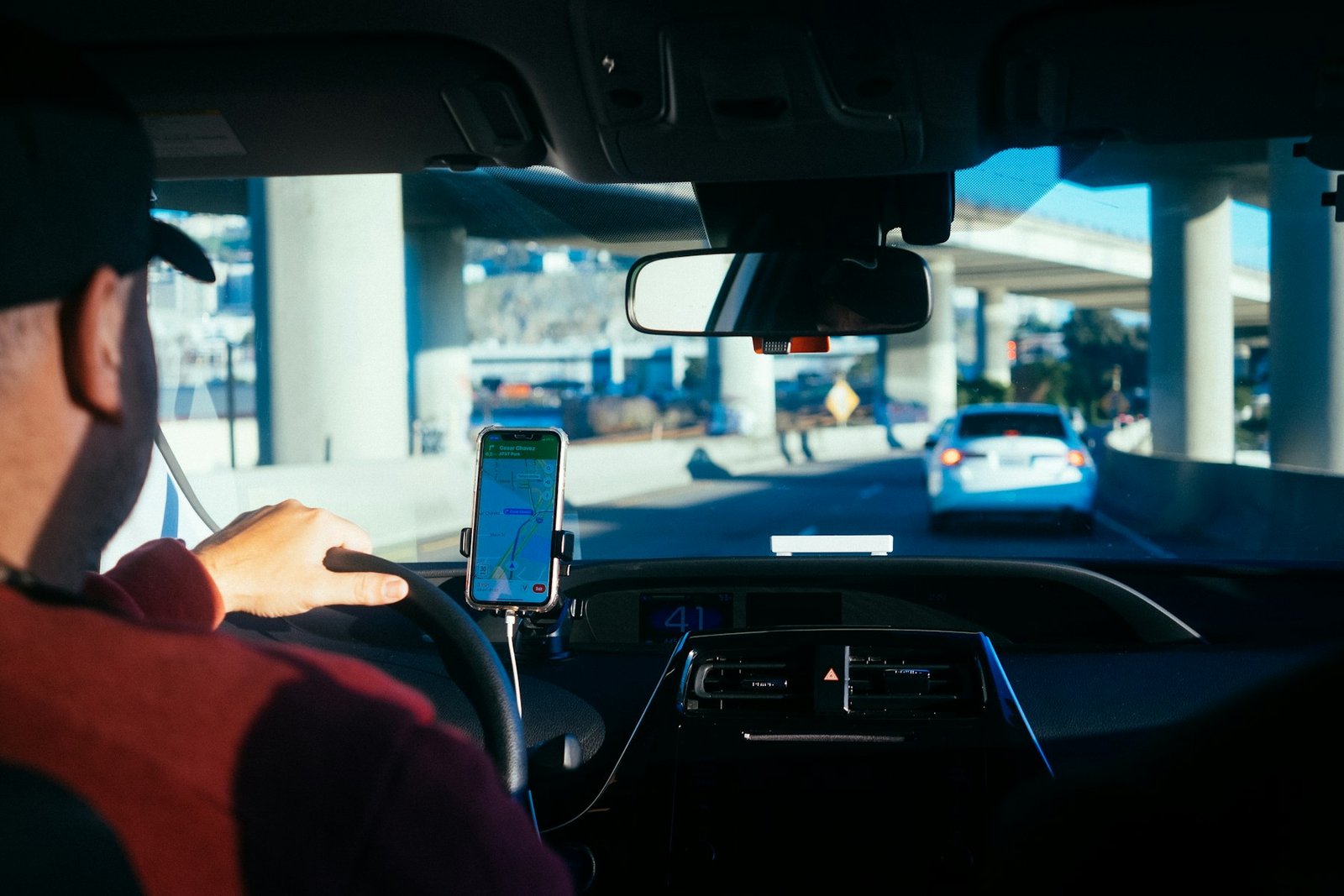
Screenshots, receipts and passenger details can help establish the rideshare context.

Medical documentation and insurer communications help clarify damages and the coverage path.
Keep the Lyft trip record, crash photographs, police information, witness details, medical records and all insurance communications in one organized file.

Receipts, screenshots and account history may help establish driver and passenger status.
Photographs can preserve damage, road conditions, signals, lanes and vehicle positions.
Reports may include statements, citations, diagrams and insurance information.
Independent observations can help resolve competing descriptions of the collision.
Organize emergency, follow-up and rehabilitation documentation.
Keep communications from Lyft-related, driver, third-party and personal carriers.
Protect your health first. Then preserve the rideshare and collision records before they are difficult to recover.
 1
Get appropriate evaluation and keep follow-up treatment documented.
2Preserve the trip receipt, app screens and driver information.
3Keep police records, photos, witnesses and property-damage information.
 4
Review the driver status and carriers involved before major claim decisions.
These claims often involve several potential coverage sources in addition to the ordinary crash facts.
Establish what the driver was doing in the rideshare app.
Preserve the collision and medical record.
Identify the insurers and limits that may apply.
General information can help you prepare better questions. The facts of an individual claim still need to be reviewed separately.
Explore Rider Resources →No. The applicable coverage can depend on the driver’s app status and the facts of the collision.
Keep the trip receipt and app information. Passenger status may help establish the rideshare period, but fault and coverage still require review.
Follow reasonable reporting steps, but preserve your own screenshots and records of what you submit.
The claim may involve that driver’s insurance and potentially other coverage depending on the circumstances.
Save the trip receipt, app screenshots, report information, witnesses, medical records and every insurer communication.
Share the trip details, crash facts, treatment status and insurance information you already have.