
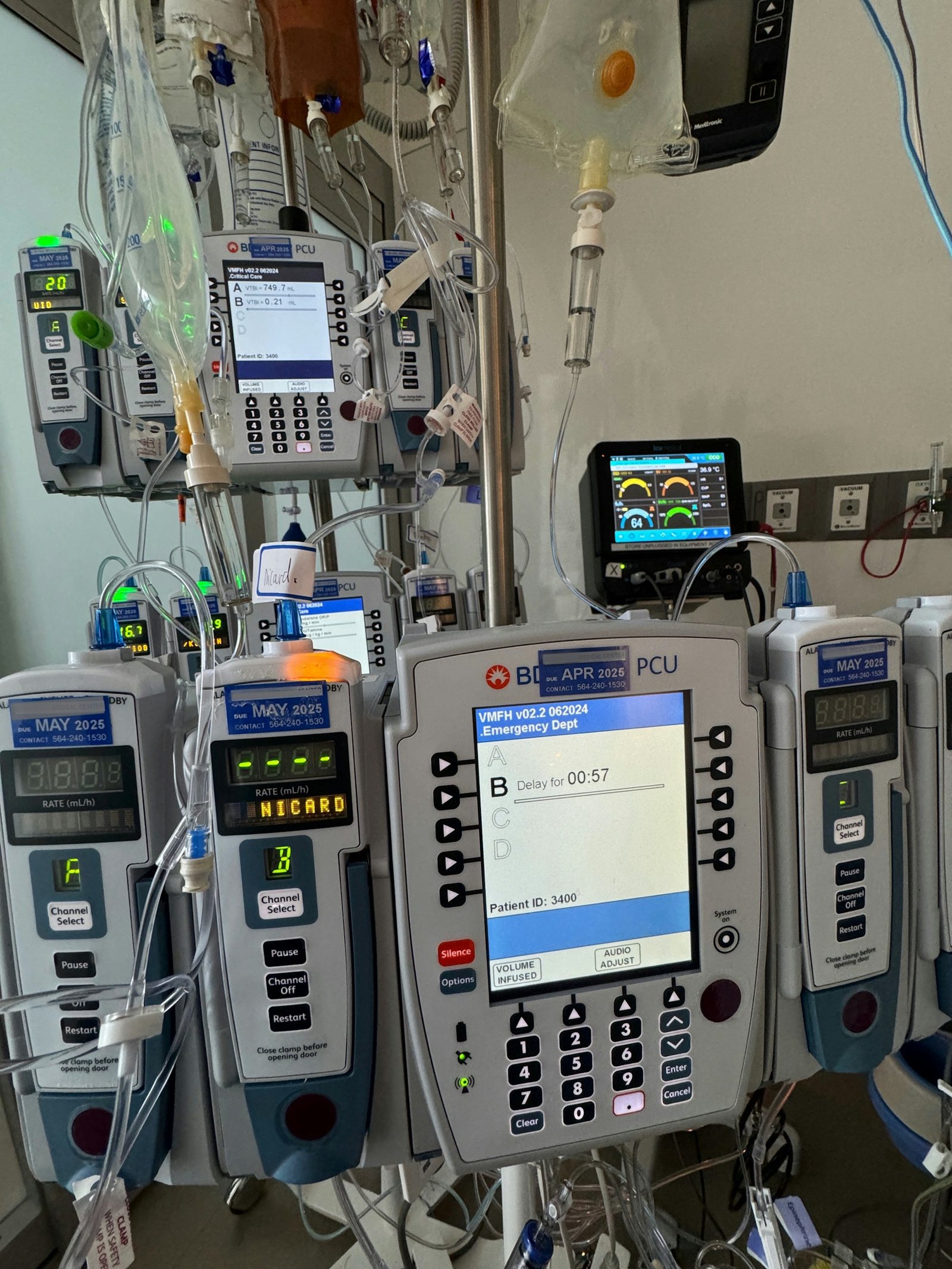
Emergency and specialist care
Hospital, surgical and specialist records help document the medical course after the crash.
Serious injury claims require careful medical documentation, long-term impact evidence, liability proof, insurance analysis, and attention to future needs.

Super Lawyers · Rising Stars
Aric Williams was selected to the California Rising Stars list for each of these years.
Selections to the California Rising Stars list for 2022–2027. Verify on Super Lawyers. Recognition does not guarantee results.

Attorney recognition
Aric N. Williams
The immediate hospital record is only the beginning. A complete claim may need to explain ongoing treatment, rehabilitation, work impact, functional limitations and future medical needs.
Request a Case Review →Hospital, surgical and specialist records help document the medical course after the crash.

Therapy and rehabilitation records can show functional limitations and progress over time.

Serious injuries may affect employment, independence, mobility and ordinary activities.

Coverage limits and future treatment issues can shape settlement timing and claim strategy.
A catastrophic-injury file should connect the crash evidence to the medical course, rehabilitation, functional changes, financial losses and insurance coverage.

Initial treatment records help document injury severity, diagnosis and early medical decisions.
Surgical, neurological, orthopedic and diagnostic records may clarify the nature of the injury.
Therapy records can show limitations, goals, progress and ongoing support needs.
Photographs, reports and witnesses remain necessary to establish responsibility.
Employment records and daily-life documentation may help explain non-medical consequences.
Coverage documents, recommendations and future-care information can affect major claim decisions.
Medical care comes first. The legal and insurance record should then be built around the complete treatment and recovery picture rather than an early snapshot.
1Keep emergency, specialist, surgical and follow-up records organized.
2Preserve therapy records and important changes in mobility, function or daily activities.
3Keep liability evidence, bills, employment records and insurer communications.
4Major offers or releases should be considered with the long-term medical picture in mind.
Serious injury claims often involve longer treatment, higher damages and more consequential settlement decisions.
Build a complete treatment and prognosis record.
Document how the injury affects daily function and work.
Understand available coverage and major settlement choices.
General information can help you prepare better questions. The facts of an individual claim still need to be reviewed separately.
Explore Rider Resources →There is no single everyday definition for every claim. The focus is often on severe, lasting injuries that substantially affect function, independence or future care.
The long-term medical and functional picture may not be clear immediately after a serious injury. A release can permanently resolve claims it covers.
Keep medical records, bills, rehabilitation notes, work documents, crash evidence and insurer communications.
Potential future care may matter when it is supported by appropriate medical evidence and is compensable under the applicable law and coverage.
Other coverage, including potential underinsured motorist coverage, may need to be evaluated depending on the facts and policies.


Bring the crash evidence, medical timeline, rehabilitation records and insurance information together before making major claim decisions.