
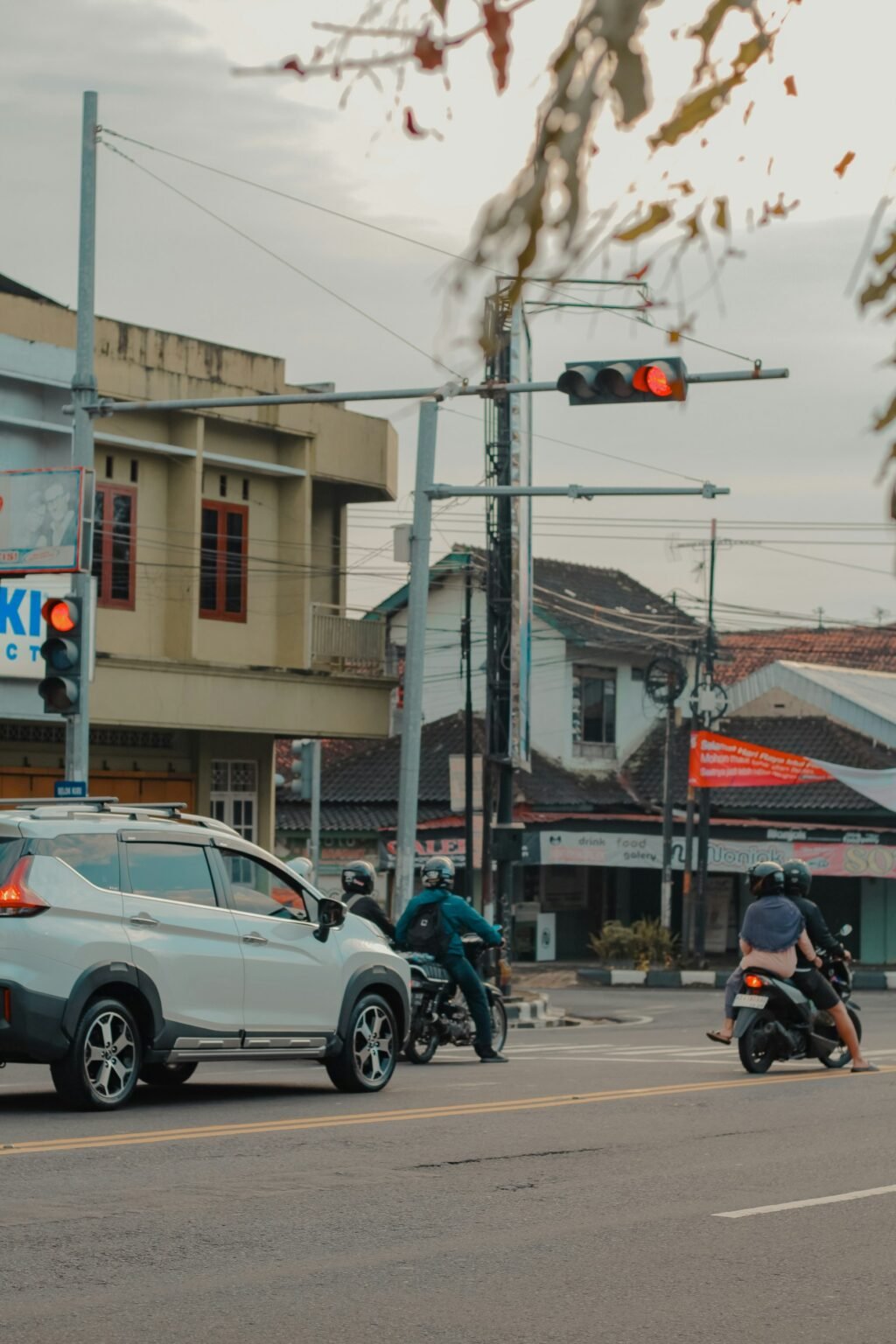


California generally follows pure comparative fault in negligence claims. The guidance below introduces key considerations, useful documentation and questions that may require case-specific legal advice.
Shared responsibility does not always bar recovery
Under California’s comparative-fault framework, an injured person may recover even when partly responsible; damages generally reflect the percentage attributed to others.
Percentages are fact-dependent
An allocation of responsibility may turn on witness accounts, traffic rules, speeds, signal phases, road markings and the sequence of events.
Do not decide fault from one detail
A disputed lane change or a statement at the scene does not alone establish the entire allocation of fault. Keep evidence that allows the complete event to be reconstructed.
Deadlines and exceptions still matter
Comparative fault is only one issue. Filing deadlines, the identity of a defendant and special notice rules can affect a claim.
Records worth keeping
- Police or incident reports
- Clear intersection and lane photographs
- Dashcam or nearby video if available
- Insurance correspondence and witness details
If I was 20% responsible, can I still have a claim?
Potentially. In a negligence case, an award may be reduced by the share of fault assigned to you; the facts and legal exceptions matter.
Discuss Your SituationThis page is general information, not legal advice. Results depend on individual circumstances. Sending an inquiry does not establish an attorney-client relationship. Consult qualified legal counsel about deadlines and your situation.